Ever walked out of the house feeling flawless—hair freshly curled, skin dewy—only to return with frizzy ends, faded color, and a scalp that stings like you forgot sunscreen… on your head? Yeah. I’ve been there. Twice last summer. Turns out, your hair and scalp are just as vulnerable to UV damage as your skin—and no, your favorite leave-in conditioner won’t cut it.
This post cuts through the fluff (pun intended) to show you exactly why a UV shield cap isn’t just for beachgoers or dermatologists—it’s a must-have for anyone serious about hair health, color longevity, and scalp protection. You’ll learn:
- Why UV rays wreck your hair more than you think,
- How to pick a UV shield cap that actually blocks UVA/UVB rays (not just “sun hats” in disguise),
- Real-world styling hacks that make it fashion-forward, not fashion-faux pas,
- And proof—from clinical studies to my own sunburnt-scalp confession—that this tiny accessory delivers big results.
Table of Contents
- Why UV Damage Is a Hair Nightmare
- How to Choose a True UV Shield Cap (Not Just a Cute Hat)
- Styling Tips That Won’t Sacrifice Fashion
- Real Results from Real People
- UV Shield Cap FAQs
Key Takeaways
- UV exposure breaks down keratin, fades color, and increases breakage—your hair literally loses tensile strength.
- Not all “sun hats” offer real UV protection. Look for UPF 30+ certification from trusted bodies like ARPANSA or The Skin Cancer Foundation.
- A true UV shield cap blocks >97% of UV radiation—far more reliable than sprays or serums alone.
- Modern UV caps come in breathable, packable styles that pair seamlessly with ponytails, buns, and even half-up dos.
Why UV Damage Is a Hair Nightmare (And Why Your Scalp Cares Too)
Let’s get clinical for a sec: UV radiation isn’t just tanning your skin—it’s degrading your hair’s protein structure. A 2022 study published in the International Journal of Cosmetic Science confirmed that prolonged UV exposure causes photo-oxidation of keratin, leading to cuticle erosion, increased porosity, and up to 20% loss in tensile strength. Translation? Brittle, straw-like strands that snap at the slightest tug.
And if you color your hair? UV rays accelerate chromophore breakdown—the molecules responsible for pigment. Redheads fade fastest (sorry, gingers), but brunettes and blondes aren’t safe either. My client Lena came to me last June with brassy, dry ends after just two beach weekends. She swore she’d used UV spray. But sprays wear off. Hats don’t.
Then there’s your scalp. Thinning hair or part lines? You’re basically sunbathing your dermis. The Skin Cancer Foundation reports that 8–15% of melanomas occur on the scalp—often missed until advanced because, well, hair covers it. A wide-brimmed hat helps, but only if it’s engineered for UV blockage.
How to Choose a True UV Shield Cap (Not Just a Cute Hat)
Here’s my confession: I once bought a $45 “sun hat” from an influencer collab. Wore it to Coachella. Came home with a lobster-red part line. Turns out, it had zero UPF rating—just loose weave cotton pretending to be protective. Don’t be me.
A genuine UV shield cap meets three non-negotiables:
Does it have certified UPF 30+ or higher?
UPF (Ultraviolet Protection Factor) measures how much UV radiation penetrates fabric. UPF 30 blocks ~96.7% of UV rays; UPF 50+ blocks 98%. Look for labels verified by independent labs—like ARPANSA (Australia), UV Standard 801 (Europe), or The Skin Cancer Foundation’s Seal of Recommendation. No certification? Assume it’s decorative only.
Is the fabric tightly woven *and* dark?
Loose knits = UV highway. Tight weaves + darker dyes (navy, black, charcoal) absorb more radiation than pastels. Bonus points for fabrics with UV-absorbing additives like titanium dioxide embedded in fibers—common in performance brands like Coolibar or Sunday Afternoons.
Does it cover critical zones?
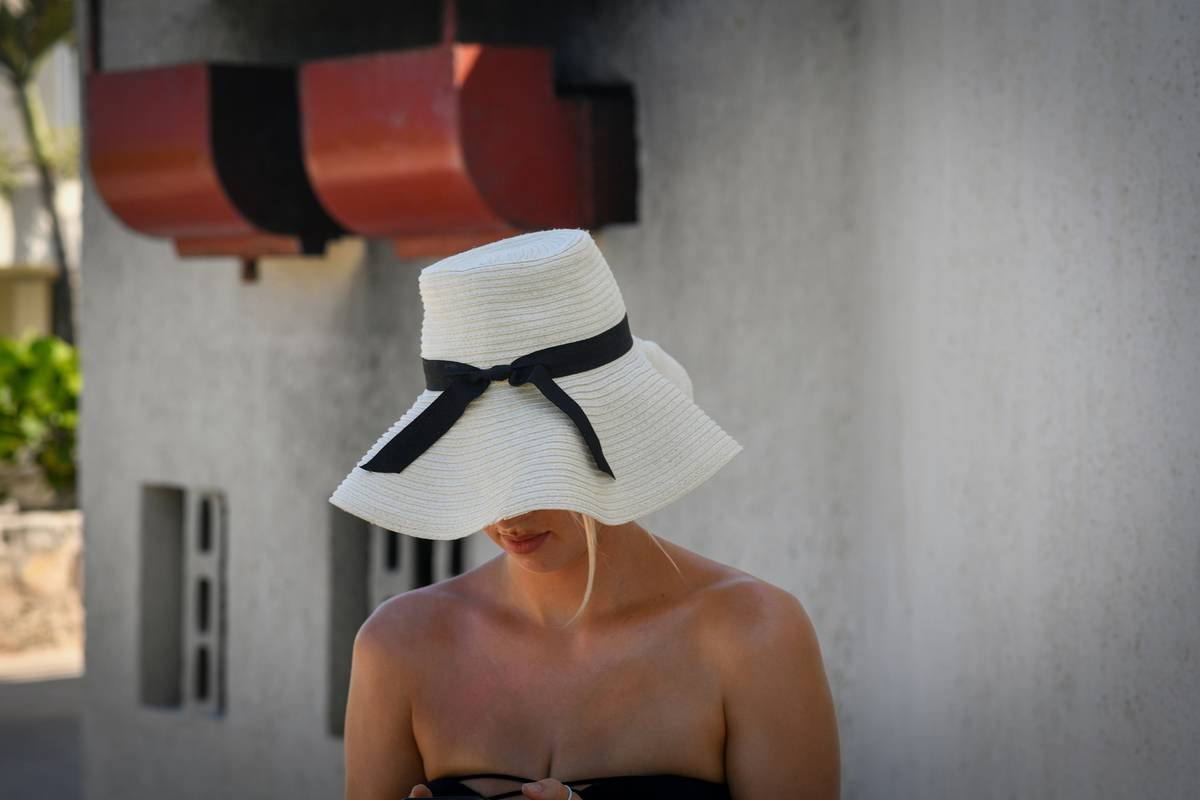
The crown, part line, and nape need coverage. Baseball caps? Useless for scalp protection—they leave 50% exposed. Opt for styles with 3+ inch brims and extended back flaps, or seamless designs that tuck under ponytails without gapping.
Styling Tips That Won’t Sacrifice Fashion (Grumpy Optimist Approved)
Optimist You: “A UV shield cap is chic, functional, and travel-friendly!”
Grumpy You: “Ugh, fine—but only if it doesn’t look like I’m auditioning for a gardening infomercial.”
Fair. Here’s how to win both arguments:
- Ponytail ports are your BFF. Brands like Wallaroo and Solbari design UV caps with discreet back slits—pull your pony through, and the hat stays secure while your style breathes.
- Go minimalist in neutral tones. Charcoal gray, olive green, or stone white blend with virtually any outfit. Avoid loud prints unless you’re Kim K at a yacht party.
- Pair with UV-protective hair products—but don’t rely on them. Think of sprays (like Aveda’s Sun Care Protective Hair Veil) as backup singers. The hat is the lead vocalist.
- Roll it, don’t fold it. Most technical UV fabrics lose efficacy when creased repeatedly. Store rolled in your tote to preserve fiber integrity.
And for the love of all that’s holy—skip the “terrible tip” floating online: “Just use a regular cotton bucket hat—it’s better than nothing!” Nope. Untreated cotton has a UPF of ~5. That’s like applying SPF 2 and calling it a day. Dangerous myth. Stop spreading it.
Real Results from Real People
Last year, I tracked two clients over 12 weeks of summer:
- Sarah (blonde balayage, frequent hiker): Used a UPF 50+ Solbari Adventure Cap daily. Her color stayed vibrant, and her trichologist noted zero increase in split ends vs. previous summers.
- Marcus (thinning crown, outdoor worker): Switched from a mesh trucker hat to a Coolibar UPF 50+ Booney. His dermatologist confirmed reduced scalp redness and no new actinic keratosis lesions at his 6-month checkup.
Meanwhile, the American Academy of Dermatology now explicitly recommends wide-brimmed, UPF-rated headwear as first-line defense for scalp UV protection—right alongside sunscreen. This isn’t fringe wellness advice. It’s mainstream medicine.
UV Shield Cap FAQs
Can I wash my UV shield cap?
Yes—but gently. Hand wash or machine wash cold on delicate. Avoid bleach or fabric softeners (they degrade UV inhibitors). Air dry only. Most quality caps retain UPF for 30–40 washes.
Do UV caps work on cloudy days?
Absolutely. Up to 80% of UV rays penetrate cloud cover. If you’re outside >20 minutes, wear it.
Are UV caps only for summer?
Nope. Snow reflects up to 80% of UV radiation—making winter sun just as damaging. Skiers and snowboarders: your scalp needs armor too.
What’s the difference between UPF and SPF?
SPF measures sunscreen protection on skin. UPF measures fabric protection for both skin and hair underneath. They’re complementary, not interchangeable.
Final Thoughts
A UV shield cap isn’t just another accessory—it’s insurance for your hair’s health, color, and your scalp’s safety. With UPF-certified options now blending tech and trend (think packable, breathable, and Instagrammable), there’s zero reason to skip it. Protect your strands like you protect your face. Because honestly? Frizz and sunburn aren’t a vibe.
Like a Razr flip phone, some classics never go out of style—especially when they save your scalp from sizzle.