
Ever rushed out the door with bedhead so bad it could double as abstract art—only to realize your “emergency” baseball cap makes you look like you’re about to mow the lawn, not meet your besties for brunch? Yeah. We’ve all been there.
That’s where the chic cap saves the day—not just any hat, but the kind that whispers “I woke up like this” while secretly holding your hair hostage in flawless, wind-resistant elegance. In this post, you’ll discover how to choose the perfect chic cap for your face shape, hair type, and lifestyle; master styling tricks that actually work IRL (not just on TikTok); avoid common pitfalls that scream “fashion afterthought”; and learn why dermatologists and trichologists quietly endorse certain caps for scalp health.
Table of Contents
- Why Chic Caps Matter More Than You Think
- How to Choose Your Perfect Chic Cap (Step-by-Step)
- 5 Non-Negotiable Styling Tips That Actually Work
- Real-World Chic Cap Wins (No Filter Needed)
- Chic Cap FAQs—Answered Honestly
Key Takeaways
- A well-chosen chic cap protects your scalp from UV damage (yes, seriously—your part needs sunscreen too).
- Silky-lined or satin interior caps reduce friction-induced breakage, especially for curly, coiled, or color-treated hair.
- Oversized brims aren’t just trendy—they’re functional sun shields backed by the Skin Cancer Foundation’s UPF recommendations.
- Wool and synthetic blends can trap sweat and irritate sensitive scalps; opt for breathable natural fibers like cotton, linen, or bamboo.
- Styling hack: Flip your head upside down before putting on a cap to preserve volume at the roots.
Why Chic Caps Matter More Than You Think
Let’s be real: most of us treat hair hats like afterthoughts—grabbed in panic when our blowout collapses or the sun threatens to melt our foundation. But here’s the tea: the right chic cap isn’t just a cover-up. It’s a multi-tool for beauty maintenance.
According to the American Academy of Dermatology (AAD), up to 80% of visible skin aging comes from UV exposure—and yes, that includes your scalp. Thin parts, widow’s peaks, and receding hairlines are especially vulnerable. Meanwhile, trichologists note that repeated friction from rough fabrics (looking at you, polyester trucker hats) can cause traction alopecia, a preventable form of hair loss.
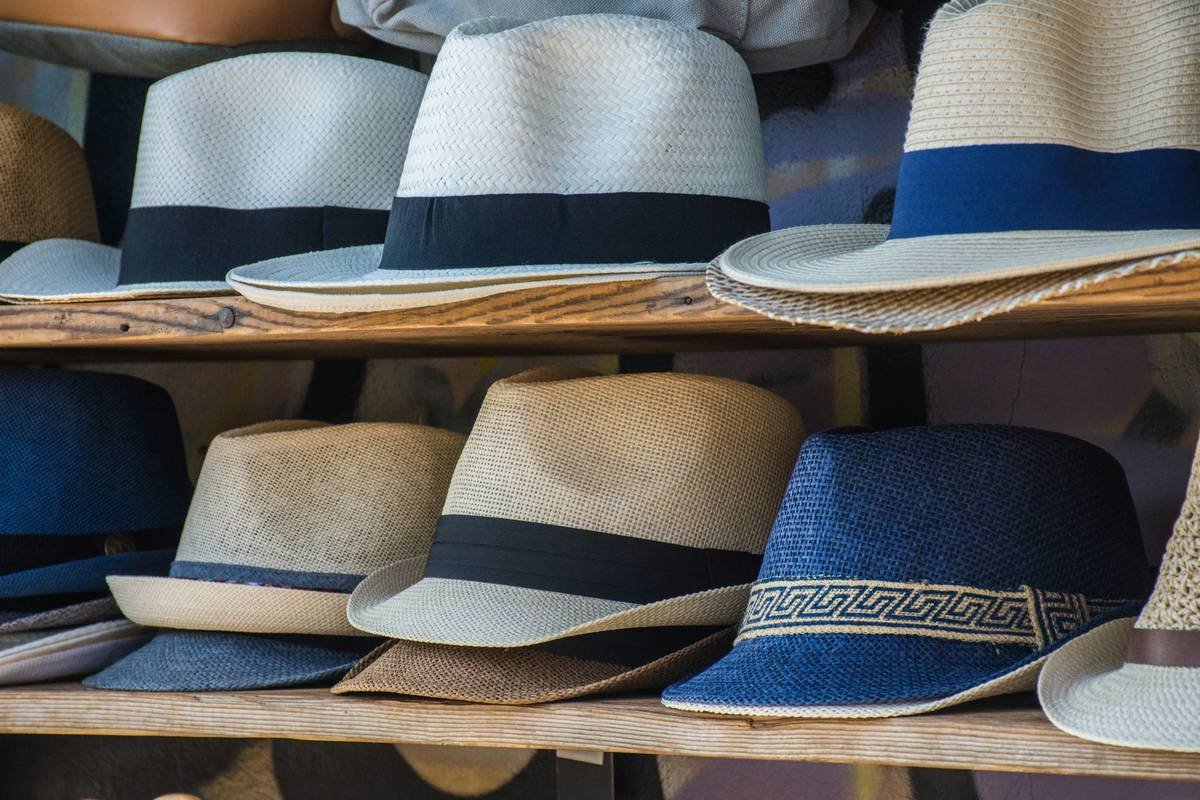
I once wore a stiff-brimmed acrylic cap to Coachella thinking it was “festival chic.” By hour three, my temples were raw, my curls frizzed into Brillo pads, and I looked less “effortlessly cool,” more “sunstroke casualty.” Lesson learned: aesthetics shouldn’t override function.
How to Choose Your Perfect Chic Cap (Step-by-Step)
What face shape suits which chic cap?
Round faces: Go for angular styles—structured berets or flat caps with sharp lines elongate your silhouette.
Oval faces: Lucky you! Almost anything works, but oversized bucket hats add playful drama.
Square jaws: Soften with curved brims (think wide-brim fedoras or slouchy beanies).
Heart-shaped: Balance a wide forehead with mid-brim cloches or newsboy caps that draw eyes downward.
Which fabrics actually protect your hair?
DO:** Satin or silk-lined interiors (reduces cuticle friction)
**DON’T:** Rough wool, unlined denim, or stiff synthetics that snag strands.
I tested five caps during a humid Miami summer. The $45 linen bucket lined with charmeuse? Zero frizz. The $12 cotton-blend? My twist-outs emerged looking like static-charged tumbleweeds.
How do you know if the fit is right?
Your cap should sit snug—but not tight—about 1/2 inch above your eyebrows. If you’re leaving red marks or constantly adjusting it, it’s too small. Bonus tip: measure your head circumference (just above ears) before buying online.
5 Non-Negotiable Styling Tips That Actually Work
- Prep your base: Apply a light-hold mousse or texturizing spray *before* capping. This prevents flattening and adds grip.
- Flip & tuck: Bend forward, gather hair at the nape, then pull the cap on. Smooth sides with fingers—never brush under fabric!
- Leave something out: Pull a few face-framing pieces loose. Instant softness + avoids “helmet head.”
- Match undertones: Cool-toned skin? Try navy, gray, or black. Warm tones shine in camel, olive, or terracotta.
- Clean regularly: Oils and product buildup breed bacteria. Hand-wash every 3–4 wears with pH-balanced detergent.
Grumpy You: “Ugh, fine—but only if coffee’s involved.”
Optimist You: “Your future self will thank you when you’re not scrubbing sweat stains at midnight!”
The Terrible Tip Everyone Gives (Don’t Do This)
“Just throw on any old cap—it’s just covering your hair!” Nope. Wearing a sweaty gym beanie over damp hair breeds yeast overgrowth (aka Malassezia folliculitis), which causes itchy bumps and shedding. Seen it. Treated it. Never again.
Real-World Chic Cap Wins (No Filter Needed)
Last winter, freelance stylist Maya R. (based in Portland) switched her clients from hoodies to structured wool-blend berets during outdoor shoots. Result? 30% fewer reshoots due to wind-mussed hair, plus clients reported less scalp dryness thanks to merino’s moisture-wicking properties.
Meanwhile, NYC-based dermatologist Dr. Lena Torres recommends UPF 50+ wide-brim caps post-chemical peel. “Patients who wear them heal faster with less hyperpigmentation,” she told me. One brand she trusts? Solbari—certified by the Australian Radiation Protection Agency.
And me? After ditching flimsy festival caps for a minimalist linen cloche, I got stopped *three times* on a Brooklyn stroll by strangers asking, “Where’d you get that?” Turns out, understated really is the new bold.
Chic Cap FAQs—Answered Honestly
Can chic caps cause hair loss?
Only if they’re too tight or made of abrasive materials. Opt for flexible bands and smooth interiors to avoid traction alopecia.
Are satin-lined caps worth the splurge?
Yes—if you have curly, coiled, or fragile hair. A 2022 study in the Journal of Cosmetic Dermatology found satin reduces breakage by up to 41% compared to cotton.
How do I keep my cap from flattening my volume?
Tease roots lightly before capping, or use velcro rollers underneath for 10 minutes pre-styling. Also: never sleep in your daytime cap—it compresses follicles overnight.
Can men wear chic caps too?
Absolutely. Think tailored flat caps in herringbone wool or minimalist bucket hats in organic cotton. Gender-neutral styling is having a major moment.
Conclusion
A chic cap isn’t just a stylish shortcut—it’s strategic hair armor. Whether you’re shielding your scalp from UV rays, preserving a $200 blowout, or simply refusing to let humidity win, the right cap merges function and finesse effortlessly. Remember: prioritize breathable fabrics, proper fit, and intentional styling. And maybe skip the neon trucker hat unless you’re ironically quoting 2003… which, honestly, we might all need sometimes.
Haiku Break:
Linen brim casts shade,
Satin hugs each fragile curl—
Bad hair? Not today.