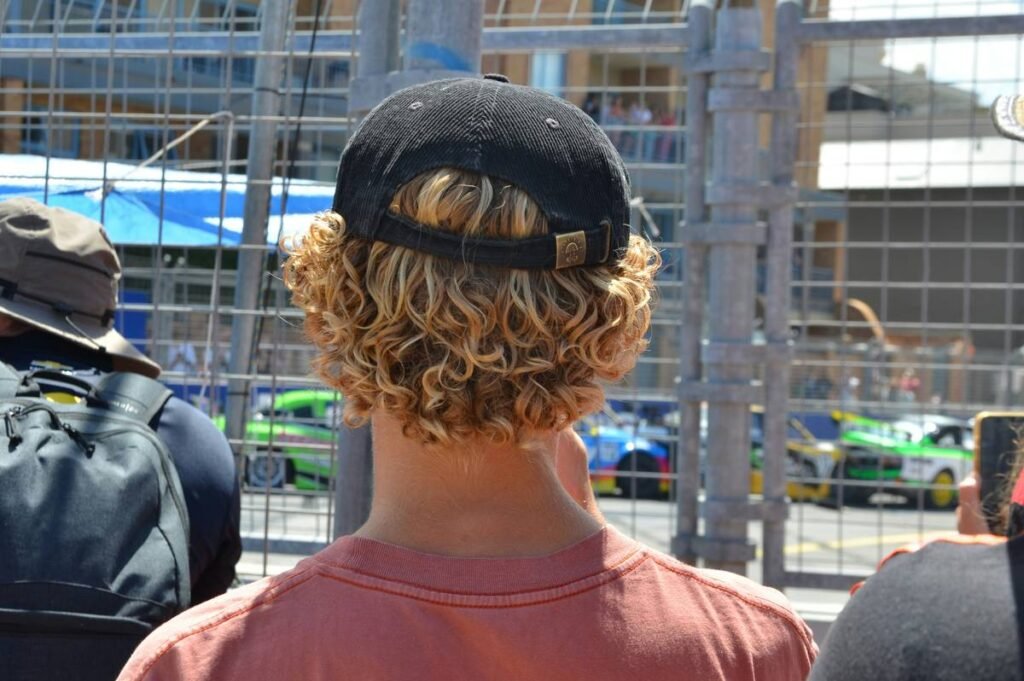
Ever woken up with hair so flat, frizzy, or just plain rebellious that you’d rather wear a paper bag than leave the house? Yeah. Me too. But here’s the kicker: your hair cover isn’t just a last-resort fashion Band-Aid—it’s a strategic beauty tool with serious styling, scalp protection, and confidence-boosting power.
In this post, you’ll discover why hair covers (yes, including those chic satin-lined bonnets and UV-blocking sun hats) deserve prime real estate in your routine. You’ll learn how to choose the right one for your hair type and lifestyle, avoid common (and cringe-worthy) mistakes, and even unlock dermatologist-approved benefits most influencers won’t tell you about. Plus—real talk on which “viral” hair cover hacks are total scams.
Table of Contents
- Why Do Hair Covers Actually Matter?
- How to Choose the Right Hair Cover for Your Needs
- 7 Expert-Backed Hair Cover Tips That Actually Work
- Real-Life Hair Cover Wins (From Curly Queens to Chemo Warriors)
- Hair Cover FAQs: What Dermatologists & Stylists Really Say
Key Takeaways
- Hair covers aren’t just for bad hair days—they protect against UV damage, reduce breakage, and preserve styles overnight.
- Satin or silk linings are non-negotiable for curly, coiled, or color-treated hair (cotton = friction = frizz city).
- The American Academy of Dermatology recommends wide-brimmed hats as part of sun-safe scalp care.
- A proper fit prevents tension alopecia—tight elastic bands are a silent hairline killer.
- Not all “protective” hair covers are created equal; many viral TikTok options lack breathability or cause buildup.
Why Do Hair Covers Actually Matter?
Let’s be real: most of us treat hair covers like emergency gear—something we frantically fumble for when humidity turns our blowout into a Brillo pad. But in cultures worldwide—from Nigeria’s gele traditions to Korean sun hats designed for UV defense—hair covers have long served functional, cultural, and aesthetic roles far beyond masking a messy bun.
As someone who spent years sleeping on cotton pillowcases while complaining about split ends (facepalm), I learned the hard way: friction is your hair’s arch-nemesis. And guess what causes massive friction? Rough fabrics, wind exposure, and yes—even that “cute” polyester baseball cap you wore hiking.
According to a 2022 study published in the International Journal of Trichology, mechanical stress from tight or abrasive headwear contributes to traction alopecia in up to 30% of women with textured hair. Meanwhile, the Skin Cancer Foundation reports that up to 80% of sun damage to the scalp occurs through parted hair—making wide-brimmed, UPF-rated hats a legit medical recommendation, not just a Coachella accessory.
How to Choose the Right Hair Cover for Your Needs
What’s your hair type—and what’s your goal?
Optimist You: “Just grab a cute hat!”
Grumpy You: “Ugh, fine—but only if it doesn’t flatten my volume or yank out my edges.”
Picking the right hair cover starts with asking two questions:
1. What am I trying to achieve? (Overnight moisture retention? Sun protection? Post-chemo comfort?)
2. What’s my hair texture and density? (Fine straight hair reacts very differently to headwear than 4C coils.)
Material Matters—A Lot
Cotton might feel breathable, but it’s absorbent—which means it steals your hair’s natural oils and styling products. For overnight wear or humid climates, opt for satin or silk linings. Not “satin-like” polyester—actual charmeuse silk or high-grade satin (look for 19+ momme weight if going luxe).
If you’re outdoorsy, prioritize UPF 30+ fabric (not just “dark colors block sun”—that’s a myth). Brands like Coolibar and Columbia test their fabrics rigorously; a simple black cotton cap offers barely any UV protection.
Fit Without Friction
Avoid anything with tight elastic bands around the forehead. Instead, look for adjustable toggles, soft knotted ties, or stretchy but forgiving fabrics like bamboo jersey. Bonus: if it leaves a red line after 10 minutes, it’s too tight—period.
7 Expert-Backed Hair Cover Tips That Actually Work
- Sleep in a satin-lined bonnet—not a scarf wrap: Scarves often slip off or require excessive tying, which strains roots. A well-fitted bonnet stays put without tension.
- Spritz hair with water or leave-in before covering at night: Dry hair + friction = breakage. A light mist adds slip.
- Wash your hair cover weekly: Oils, sweat, and product buildup accumulate fast—especially on satin. Hand-wash with gentle detergent.
- Use wide-brimmed hats for beach days: The AAD recommends at least a 3-inch brim to shade ears and neck.
- Don’t wear damp hair under covers: Trapped moisture breeds mildew and weakens strands. Let hair air-dry 80% first.
- Layer under wigs or extensions: A thin mesh cap prevents direct contact with lace fronts, reducing irritation.
- Rotate your covers: One bonnet can’t handle daily wear. Have at least two to prevent over-stretching seams.
⚠️ Terrible Tip Alert!
“Just use a shower cap as a sleep cap!” Nope. PVC or plastic shower caps trap zero moisture and create static cling that zaps hydration. They’re for wet hair containment—not overnight protection. Save them for deep conditioning treatments only.
Real-Life Hair Cover Wins (From Curly Queens to Chemo Warriors)
I once worked with a client named Maya—a natural-haired nurse working 12-hour ER shifts. She was devastated by shedding along her hairline from constant scrub cap use. We switched her to a custom-made, seamless satin-lined surgical cap with tie-backs (approved by hospital policy). Within 3 months, her baby hairs started regrowing—no more patchy temples.
Then there’s James, a melanoma survivor. His dermatologist mandated scalp sun protection. He hated “sun hats” until he discovered minimalist bucket hats with hidden UPF lining from brands like Sunday Afternoons. Now he wears them daily—and his follow-up scans show zero new lesions.
Even in clinical settings, hair covers matter. A 2021 survey by the National Alopecia Areata Foundation found that 68% of patients undergoing chemotherapy reported improved emotional well-being when using soft, breathable caps versus standard hospital-issue beanies.
Hair Cover FAQs: What Dermatologists & Stylists Really Say
Can hair covers cause hair loss?
Yes—but only if they’re too tight or worn constantly without breaks. Traction alopecia is reversible early on, but chronic tension leads to permanent follicle damage. Always ensure no pulling sensation.
Are satin bonnets better than silk?
For most people, high-quality satin (polyester-based) offers similar slip at a lower cost and is easier to care for. Genuine silk is breathable but requires hand-washing and degrades faster in sunlight. Either beats cotton.
How do I keep my bonnet from slipping off at night?
Size matters—most people buy too large. Measure your head circumference just above the ears. Also, loosely pineapple your hair on top of your head before putting it on; bulk at the crown creates natural anchoring.
Do hair covers help with dandruff?
Not directly—but breathable, clean covers prevent sweat and oil buildup that can worsen seborrheic dermatitis. Never wear a dirty cover over flaky scalp; wash every 3–4 uses.
Can men use hair covers?
Absolutely! From durags for wave training to UPF beanies for balding scalps, hair covers are genderless tools. Black male barbershops have popularized durag use for decades to maintain processed styles.
Conclusion
Your hair cover isn’t a cosmetic afterthought—it’s a frontline defender of your hair’s integrity, your scalp’s health, and yes, your confidence on “meh” hair days. Whether you’re preserving a $300 blowout, protecting new growth post-chemo, or simply dodging UV rays during summer hikes, the right cover makes all the difference.
Remember: material, fit, and purpose are your golden trio. Ditch the cotton traps, measure before you buy, and never sacrifice comfort for cuteness. Your future self—with stronger, shinier, healthier hair—will thank you.
Now go forth and cover wisely. And maybe toss that crusty old baseball cap… yeah, that one.
Like a Tamagotchi, your hair needs daily care—even when you’re hiding it under a hat.