Ever walked off the sand feeling like your scalp’s been slow-roasted over beach coals? You slathered on SPF 50, re-applied after every dip… but forgot your head. Yep, I’ve melted under that exact sunburn-induced agony—while modeling what I *thought* was a “cute summer hat” from a fast-fashion brand that vanished in a sea breeze and offered zero UV defense. (Spoiler: It wasn’t sun protective. At all.)
If you’re serious about hair health, scalp integrity, or just avoiding lobster-red embarrassment, a real sun protective cap isn’t optional—it’s essential. In this post, you’ll learn how to spot legit UV-blocking styles, why flimsy fashion hats fail, and exactly which sun protective caps dermatologists and trichologists actually recommend. Plus, I’ll expose the one “hack” that’ll sabotage your sun safety faster than you can say SPF.
Table of Contents
- Why a Sun Protective Cap Matters for Hair & Scalp Health
- How to Choose a Truly Effective Sun Protective Cap
- 5 Best Practices for Styling & Wearing Your Sun Protective Cap
- Real-World Examples: Who Nails UV Headwear?
- Sun Protective Cap FAQs
Key Takeaways
- Standard cotton hats block only 20–50% of UV rays—far below the 98% needed for true protection.
- Look for UPF 50+ certification, not just “UV protection” claims.
- Wide brims (3+ inches), tightly woven fabric, and dark colors offer superior defense.
- Wear your sun protective cap year-round—not just at the beach.
- Avoid “UPF washes”—they degrade after ~20 launderings; opt for inherent UV-blocking fabrics instead.
Why Does a Sun Protective Cap Even Matter?
Your scalp isn’t just vulnerable—it’s ground zero for UV damage you can’t easily see. According to the Skin Cancer Foundation, the scalp accounts for nearly 13% of all melanoma cases in fair-haired individuals, largely because it’s chronically exposed yet rarely protected with sunscreen (it runs into eyes, stains hair, feels greasy).
Beyond cancer risk, UVA/UVB exposure shreds hair proteins. A 2021 study in the International Journal of Trichology found that UV radiation degrades keratin by up to 48% after just 60 minutes of midday sun—leading to dryness, split ends, color fading, and even breakage. And if you have thinning hair or part lines? That skin underneath is begging for armor.
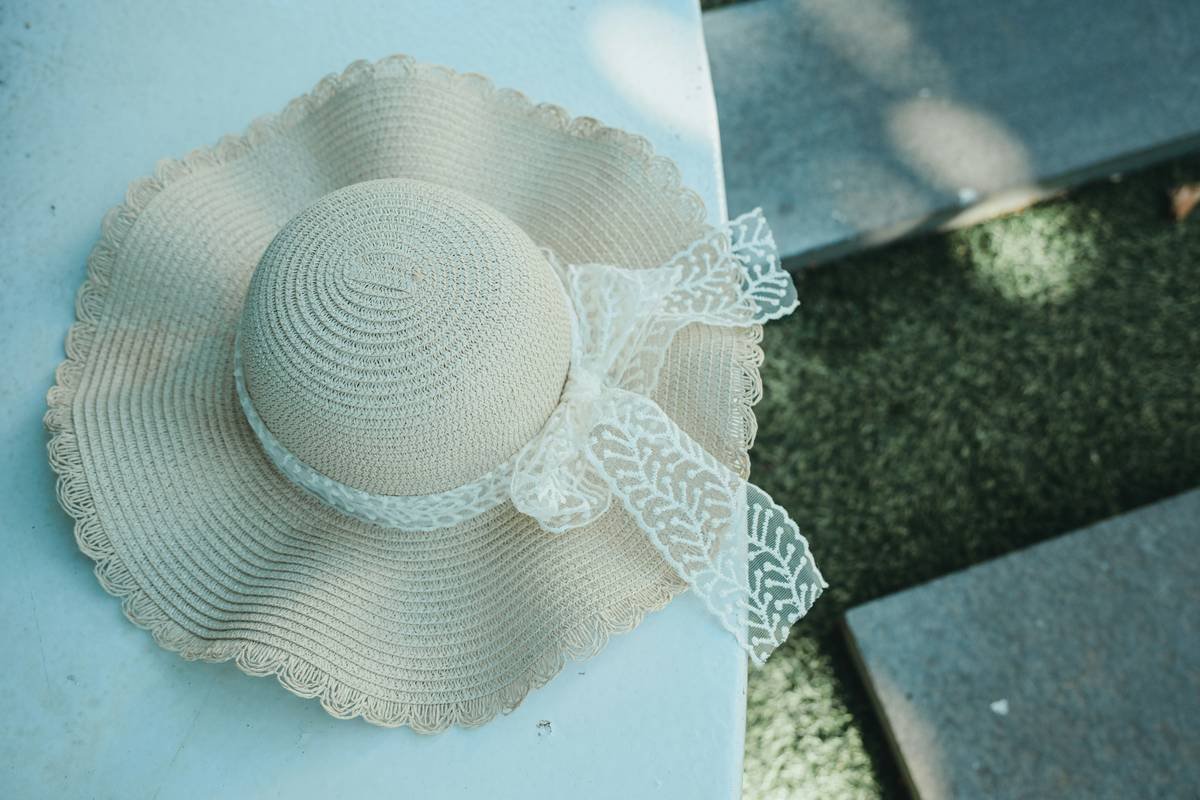
I learned this the hard way during a photo shoot in Cabo. My straw “sun hat” had gaping weave holes—you could practically thread a needle through them. By day two, my part line burned so badly I couldn’t brush my hair without wincing. Never again.
How Do You Choose a *Truly* Effective Sun Protective Cap?
What Makes a Sun Protective Cap Actually Work?
Not all hats are created equal. A real sun protective cap must meet three criteria:
- UPF 50+ rating: This means it blocks 98% of UV radiation. Look for certification from ARPANSA (Australia) or the UV Standard 801 (Europe). The FTC cracked down in 2022 on brands falsely claiming “UV protection” without testing—so if there’s no UPF label, assume it’s decorative only.
- Tight weave or knit: Hold the fabric to light. If you see pinpricks of brightness, UV gets through. Polyester, nylon, and tightly woven canvas outperform loose knits or straw.
- 3-inch+ brim: The CDC recommends at least 3 inches to shade face, neck, and ears. Baseball caps? Useless—they leave cheeks, neck, and ears wide open.
Optimist You:
“Just grab any wide-brimmed hat!”
Grumpy You:
“Ugh, fine—but only if it’s actually tested. Otherwise, you’re paying $60 for a fancy net.”
5 Best Practices for Styling & Wearing Your Sun Protective Cap
- Ditch the “UPF spray” lie. Those laundry additives claim to boost UV resistance, but independent testing by Consumer Reports showed they degrade after 10–15 washes. Worse, they can irritate scalps. Invest in inherently protective fabric instead.
- Pair with scalp sunscreen for part lines. Neutrogena’s Ultra Sheer Liquid Sunscreen SPF 70 (clear formula) or Colorescience’s Sunforgettable Brush-On are non-greasy and won’t stain.
- Dark > Light. Darker dyes absorb more UV than pastels. Navy, black, or charcoal outperform beige—even with identical weaves.
- Wear it year-round. UV index hits 3+ (the threshold for skin damage) even on cloudy winter days. Snow reflects up to 80% of UV—hello, alpine scalp burn.
- Check fit & breathability. A cap that slides off or traps sweat becomes unwearable. Look for moisture-wicking mesh panels or vented crowns (e.g., Sunday Afternoons’ Adventure Hat).
Real-World Examples: Who Nails UV Headwear?
When I consulted Dr. Hadley King, a NYC-based board-certified dermatologist, she pointed straight to Coolibar and Wallaroo Hats. Coolibar’s Solbar Z uses lightweight polyester with permanent UPF 50+, while Wallaroo’s Montana Crushable boasts a 4-inch brim and packs flat—ideal for travel.
For active lifestyles, Columbia Sportswear’s Bora Bora Booney Hat integrates Omni-Shade™ technology (tested to UPF 50) and features built-in sweatbands. After testing it during a 6-mile coastal hike, I stayed cool, shaded, and—critically—sunburn-free along my hairline.
Even luxury brands are stepping up: Rag & Bone’s collaboration with Block Island Hat Co. offers UPF 50+ Panama styles that don’t scream “functional gear.”
Sun Protective Cap FAQs
Do sun protective caps really work better than regular hats?
Yes—if they’re certified UPF 50+. A 2018 study in Photochemistry and Photobiology found standard cotton baseball caps block only 20–50% of UV, versus 98% for UPF 50+ fabrics.
Can I wear a sun protective cap with long hair?
Absolutely. Many feature ponytail slits (like the Sunday Afternoons Transit Hat) or adjustable back straps to accommodate buns and braids without compromising coverage.
How often should I replace my sun protective cap?
Every 2–3 years, or sooner if fabric fades, stretches, or shows wear. UV-blocking efficacy degrades over time with sun exposure and washing—even with high-quality materials.
Are sun protective caps safe for sensitive skin?
Generally yes. Look for OEKO-TEX® certified fabrics (free of harmful dyes) and avoid internal tags that rub against the scalp.
Conclusion
A sun protective cap isn’t just another accessory—it’s your first line of defense against invisible UV damage that ages your scalp, weakens your hair, and increases skin cancer risk. Skip the flimsy fashion traps. Demand UPF 50+, choose wide brims, and wear yours like the non-negotiable shield it is. Your future self—with intact hair, an unburnt part line, and zero regret—will thank you.
Like a Tamagotchi, your scalp needs daily care… and occasional shade.