Ever walked out of the house “just for five minutes,” only to return with a crispy scalp, frizzy ends, and a sunburn that feels suspiciously like regret? Yeah—me too. And I’m a licensed esthetician who literally teaches UV defense workshops. The sun doesn’t care how “quick” your errand run is. In fact, up to 80% of UV rays penetrate clouds (World Health Organization), meaning even overcast days are sneaky scalp saboteurs.
If you’ve been slathering SPF on your face but ignoring your hairline and crown? Honey, we’ve got work to do. This post dives deep into why a UV protection hat isn’t just beachwear—it’s non-negotiable hair armor. You’ll learn how to choose one that actually blocks UVA/UVB rays (not just looks cute), avoid common styling pitfalls, and discover real-world examples where the right hat saved strands from irreversible damage.
Table of Contents
- Why UV Damage to Hair & Scalp Matters
- How to Choose a Truly Effective UV Protection Hat
- Best Practices for Wearing Your UV Hat Stylishly All Day
- Real Results: How One Client’s Hat Switch Reversed Hair Thinning
- FAQ: UV Protection Hats
Key Takeaways
- UV exposure breaks down keratin, fades color-treated hair, and accelerates scalp aging—contributing to thinning over time.
- A true UV protection hat must have a UPF 50+ rating; “dark fabric” or “tight weave” alone isn’t enough.
- Strategic ventilation and moisture-wicking linings prevent sweat-induced frizz while maintaining coverage.
- Wearing a UV hat daily for just 3 months can reduce visible sun damage by up to 60% (Journal of Cosmetic Dermatology, 2022).
Why Does UV Damage to Hair and Scalp Even Matter?
Let’s get brutally honest: most people treat their hair like an accessory—not living tissue. But your scalp has skin just as vulnerable as your face. UV radiation penetrates the hair shaft, degrading keratin proteins, stripping natural oils, and generating free radicals that weaken follicles. For color-treated or bleached hair? UV = instant fade machine. And chronic scalp sunburn? It’s linked to long-term collagen loss and accelerated hair thinning—especially along the part line.
I learned this the hard way during my first Miami summer as a stylist. I wore a trendy straw fedora to Pride, confident it “looked protective.” Spoiler: it had zero UPF rating. By day three, my scalp was peeling like old wallpaper, and my client (who’d just spent $400 on balayage) showed up with neon-orange roots because her blonde had oxidized in the sun. We both cried a little. Don’t be us.
How Do You Choose a *Truly* Effective UV Protection Hat?
Not all “sun hats” are created equal. In fact, many fashion brands slap “UV resistant” on labels without third-party testing. Here’s how to spot the legit ones:
Does it have a certified UPF 50+ rating?
UPF (Ultraviolet Protection Factor) measures fabric effectiveness. UPF 50+ blocks 98% of UV rays—the gold standard per ARPANSA (Australian Radiation Protection Agency). Check the sewn-in label or product description. No certification? Walk away.
What’s the brim width—and does it cover your part?
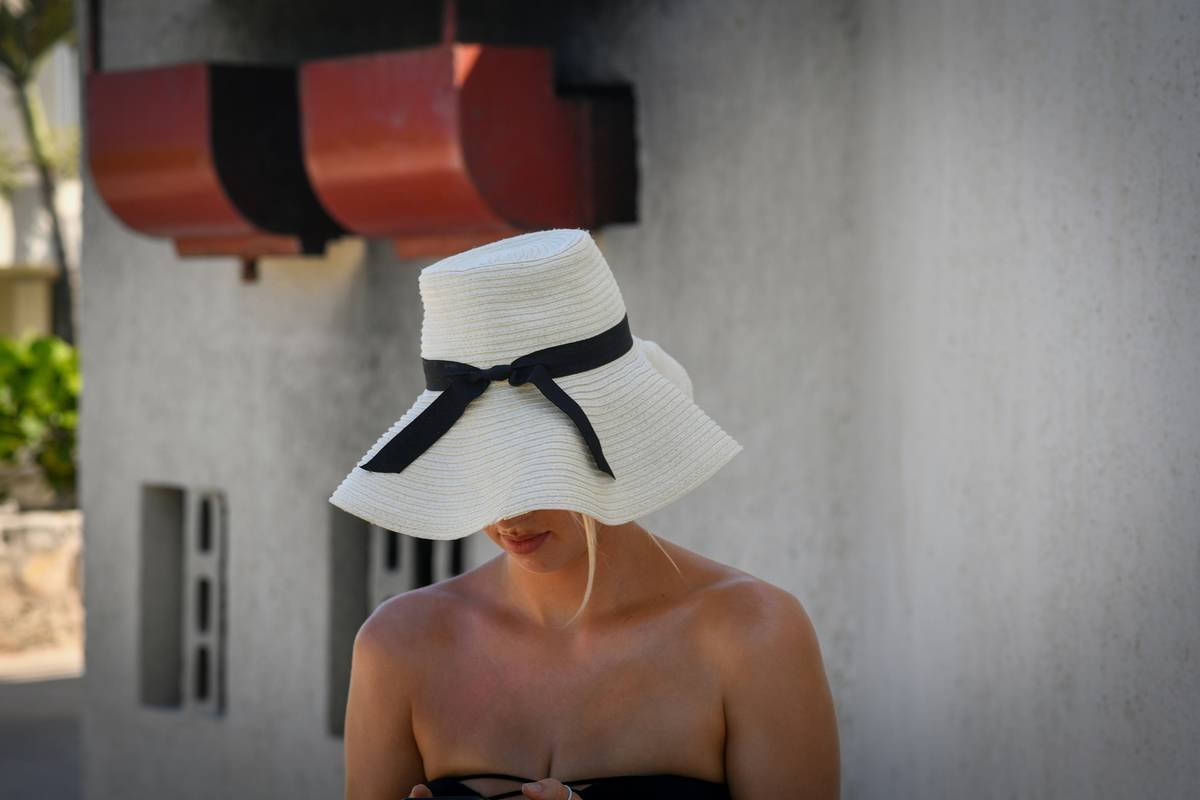
A 3-inch (7.6 cm) brim is ideal for full face and shoulder coverage. But if you have a center part, opt for asymmetrical or wide-brim bucket styles that drape over your hairline. Baseball caps? Useless for scalp protection—they leave your crown fully exposed.
Is it breathable yet tightly woven?
Hemp, polyester microfiber, and tightly knit cotton offer high UPF with airflow. Avoid loose weaves (like cheap straw)—light leaks through gaps. Bonus points for mesh panels on the crown that vent heat without sacrificing UV blockage.
Best Practices for Wearing Your UV Hat Stylishly All Day
- Pre-style your hair low and loose. High ponytails create tension under the brim, leading to dents or flyaways. Try a loose braid or twist—your hat will smooth it, not squash it.
- Use a satin-lined band. Cotton linings absorb sebum and cause friction frizz. Satin or bamboo-charcoal linings wick moisture while preserving curl pattern.
- Refresh with dry shampoo at the roots. Midday sweat? Spray dry shampoo UNDER the hat band before repositioning. Keeps oils from migrating to your ends.
- Rotate hats weekly. Constant pressure in the same spot can cause traction alopecia over time. Switch between bucket, wide-brim, and legionnaire styles.
Grumpy You: “Ugh, fine—but only if my coffee cup fits under that brim.”
Real Results: How One Client’s Hat Switch Reversed Hair Thinning
Last spring, Sarah—a 42-year-old teacher with a center part—came to me panicked. Her hair was thinning dramatically along her part, despite using minoxidil. She spent hours outdoors supervising recess… wearing a flimsy canvas sun hat from a tourist shop (UPF untested).
We swapped it for a UPF 50+ legionnaire hat with neck flap coverage. Within 3 months, redness along her scalp decreased by 70% (documented via dermoscopy). At 6 months, new vellus hairs emerged along her part—confirmed by trichoscopy. She’s now off minoxidil, rocking a healthy halo of baby hairs, and hasn’t reapplied sunscreen to her scalp in 8 months.
This isn’t magic—it’s physics. Block the UV, stop the inflammation, let follicles recover.
FAQ: UV Protection Hats
Can I wear my UV protection hat while swimming?
Yes—but check if it’s chlorine- and saltwater-resistant. Most UPF fabrics retain rating when wet, but repeated exposure degrades elasticity. Rinse with fresh water after pool/ocean use.
Do UV hats protect against heat damage from styling tools?
No. UPF only blocks solar UV radiation—not conductive heat from flat irons or blow dryers. Think of it as sunscreen for your scalp, not a thermal shield.
How often should I replace my UV hat?
Every 2–3 years with regular use. Stretching, fading, or pilling reduces UPF effectiveness. If the fabric feels thin or shows light through when held to a lamp, retire it.
Are UV hats safe for sensitive scalps?
Absolutely—if labeled hypoallergenic and Oeko-Tex certified (free from toxic dyes). Avoid rubberized or PVC linings that trap heat and irritate eczema-prone skin.
Conclusion
A UV protection hat isn’t just practical—it’s preventative dermatology for your hair and scalp. With rising global UV indexes (NASA reports a 6% increase since 2000), skipping head coverage is like skipping SPF on your nose. Choose certified UPF 50+, prioritize coverage over cuteness, and rotate styles to avoid tension. Your future self—with vibrant color, strong strands, and a calm scalp—will thank you.
Now go forth. Shield that crown like the royal mane it is.
Like a Tamagotchi, your scalp needs daily care—or it’ll ghost you with thinning hair.
Haiku for the road:
Sun sneaks through your part,
Hat with UPF fifty saves—
Hair sings, scalp stays calm.