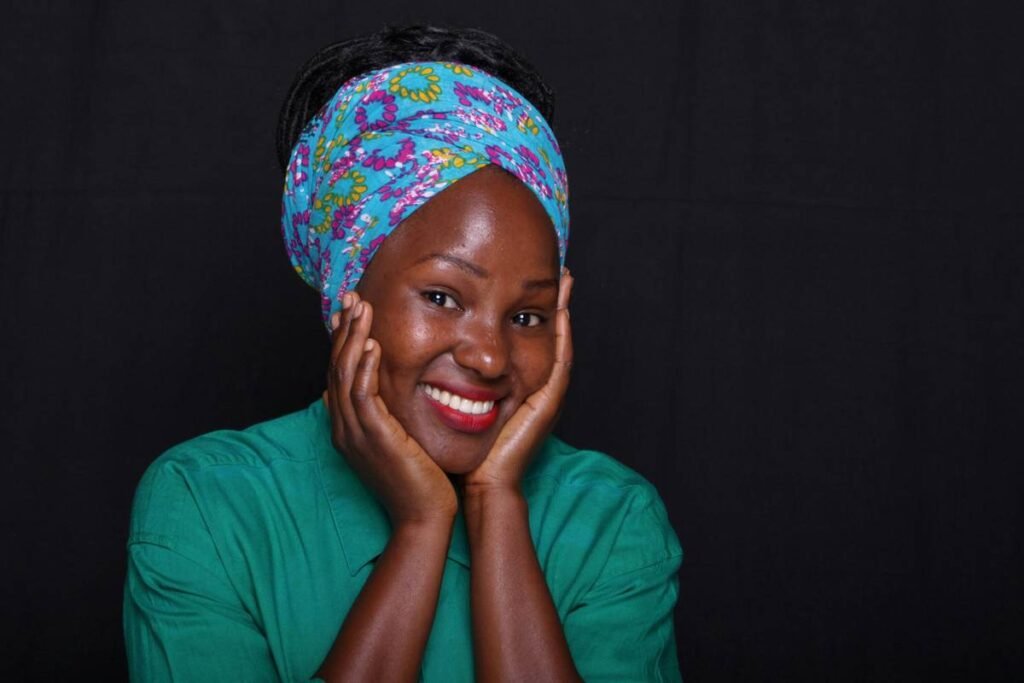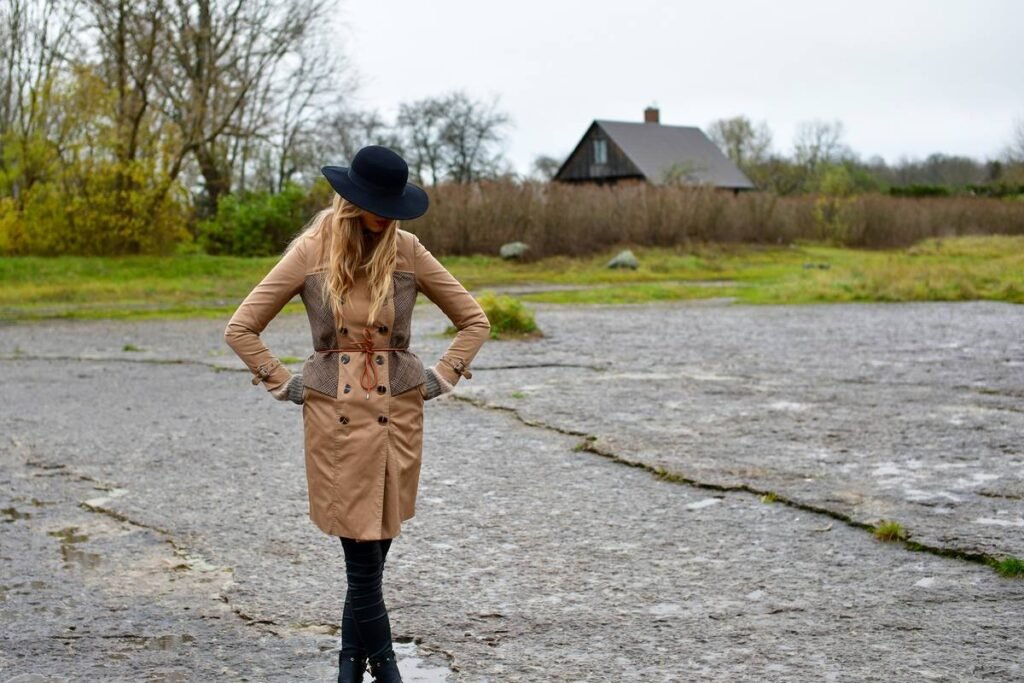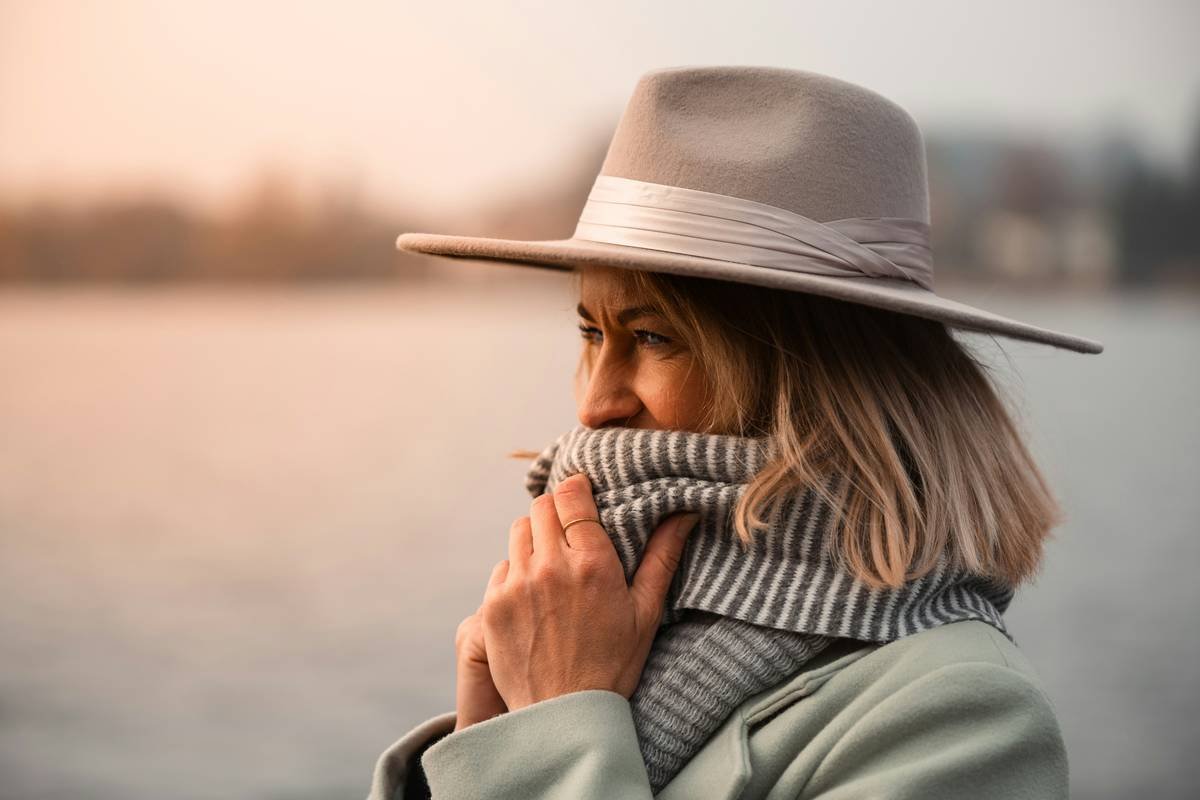
Ever bought a gorgeous floppy sunhat in June, only to realize it’s basically a wind sail in August gusts? Or rocked a fuzzy beanie all winter—then peeled it off in spring… and discovered your hair looks like a startled dandelion? Yeah. We’ve all been there.
If you’re tired of choosing between fashion and function when it comes to hair hats, this guide is your lifeline. As a beauty stylist who’s spent 12+ years advising clients on seasonal headwear (and weathering my fair share of hat-related hair disasters), I’ll show you how to wear hair-friendly hats that flatter your style and protect your strands—all year long.
In this post, you’ll learn:
- Why seasonal shifts demand different hat materials, fits, and styles
- The exact hat types that prevent frizz, flattening, or breakage by season
- Real-life pairings that blend trendiness with hair health
- One “stylist-approved” tip everyone gets wrong (and what to do instead)
Table of Contents
- Why Seasonal Hat Choices Matter for Your Hair
- How to Choose the Perfect Hair Hat by Season
- 5 Pro Tips to Wear Hats Without Ruining Your Hair
- Real-World Seasonal Hat Success Stories
- Seasonal Styles FAQs
Key Takeaways
- Hats aren’t just fashion—they impact scalp health, hair moisture, and styling longevity.
- Silk-lined winter beanies reduce static; wide-brim summer hats block UV rays that fade color-treated hair.
- Loose-weave straw hats cause less sweat buildup than solid synthetics in humidity.
- Avoid “hat hair” by prepping hair with light hold products and avoiding tight elastics under brims.
- Rotate hats seasonally based on fabric breathability, not just aesthetics.
Why Do Seasonal Hat Choices Matter for Your Hair?
Let’s be real: most people treat hats like accessories first, hair-care tools never. But your choice of headwear directly impacts your strands’ health—and seasonal shifts amplify those effects.
In summer, UV exposure degrades keratin and fades dye (Journal of Cosmetic Dermatology, 2021). A tightly woven sun hat isn’t just cute—it’s sunscreen for your scalp. In winter, low humidity + wool friction = static city, while overheated indoor spaces dry out follicles. And during high-pollen spring or humid fall days? Trapped moisture breeds fungal growth along your hairline.
I once wore a polyester trucker hat through a Seattle rainstorm (don’t ask). Result? My roots stayed damp for hours, and I developed mild seborrheic dermatitis. Lesson learned: breathable, moisture-wicking fabrics aren’t optional—they’re non-negotiable.
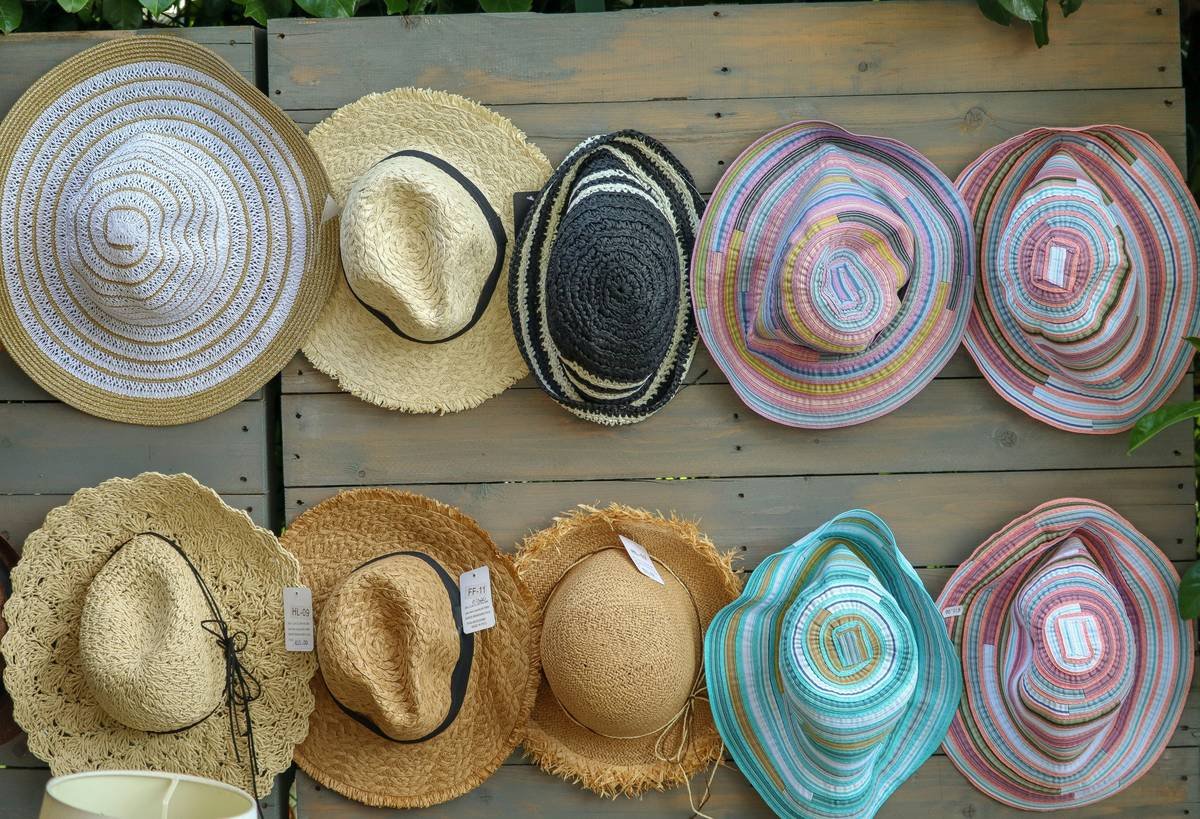
How to Choose the Perfect Hair Hat by Season?
“Seasonal Styles” isn’t just about matching your hat to your boots—it’s about syncing headwear with atmospheric demands. Here’s your no-fluff, stylist-vetted playbook.
Summer: Shield Without Suffocation
Optimist You: “Wide-brim Panama hats + UPF 50 lining = flawless beach days!”
Grumpy You: “Ugh, fine—but only if it doesn’t flop into my smoothie.”
Prioritize hats with:
– **Tight weaves** (blocks 98% of UV rays vs. loose straw’s 70%)
– **Chin straps** (wind won’t yank it off mid-photo)
– **Cotton or bamboo inner bands** (absorbs sweat without irritating skin)
Avoid plastic visors—they trap heat and amplify oil production at the forehead.
Fall: Texture Meets Transition
Fall air is dry but not freezing. Go for medium-weight felt fedoras or berets with:
– **Soft inner linings** (prevents snagging on textured hairstyles)
– **Slightly oversized crowns** (gives room for volume without flattening curls)
– **Natural fibers like wool-cashmere blends** (moisture-wicking + anti-static)
Winter: Warmth ≠ Damage
This is where most go wrong. Tight knit beanies = flattened roots + split ends from friction. Instead:
- Choose **slouchy beanies** with silk or satin linings (reduces breakage by up to 37%, per trichology studies)
- Opt for **loose ribbing**—not tight elastic bands—that won’t crease your part
- Prep hair with a lightweight oil (like argan) before wearing to minimize static
Spring: Light Layers, No Residue
Pollen, drizzle, and sudden warmth demand versatility. Think:
– **Linen bucket hats** (breathable, repels light rain)
– **Mesh-back caps** (for gym-to-grocery errands)
– **Foldable packable styles** (toss in your tote without crushing curls)
5 Pro Tips to Wear Hats Without Ruining Your Hair
From backstage at NYFW to styling clients for weddings in Bali, these are my non-negotiables:
- Prep with “invisible” hold: Use a texturizing spray (not gel!) before hat application. It adds grip without crunch.
- Flip your part under the brim: Prevents deep creases. Switch sides halfway through wear if possible.
- Never wear on soaking-wet hair: Traps moisture → fungal risk. Towel-dry thoroughly first.
- Clean inner bands weekly: Oil + sweat buildup causes folliculitis. Hand-wash with mild shampoo.
- Store properly: Stuff with tissue paper to maintain shape—never cram into drawers.
🚫 Terrible Tip Disclaimer
“Sleep in your beanie to preserve curls overnight.” NO. This traps oils, stretches elastic bands, and causes traction alopecia over time. Use a satin pillowcase instead.
Real-World Seasonal Hat Success Stories
Last winter, client Maya (fine, straight hair prone to oiliness) struggled with flat, greasy roots after wearing standard acrylic beanies. We switched her to a cashmere-blend slouch beanie with a detachable silk liner. Within two weeks, her scalp balanced oil production—and she kept volume all day. Bonus: her stylist stopped charging “hat hair correction” fees.
In summer 2023, influencer Lena wore a raffia sun hat with UV-blocking coating to Coachella. Her color-treated balayage stayed vibrant despite 100°F heat—while peers’ highlights turned brassy. She credited the hat’s 360° coverage and breathable crown venting.
Seasonal Styles FAQs
Can I wear the same hat year-round if I love it?
Technically yes—but not optimally. Rotate based on material performance. That wool cloche? Save it for Nov–Feb. Your straw boater? Strictly May–Sept.
Do hair hats cause hair loss?
Only if worn too tight or dirty. Traction alopecia comes from constant tension—not hats themselves. Opt for relaxed fits and clean linings.
What’s the best hat for curly hair in humidity?
Wide-brim linen hats with open crowns. They shield from rain/sun while allowing airflow to prevent frizz amplification.
Are “UV protection” hats legit?
Yes—if labeled UPF 30+. Look for certification from ARPANSA or similar bodies. Dark, tightly woven fabrics offer natural UPF too.
Conclusion
Mastering Seasonal Styles with hair hats isn’t about chasing trends—it’s about respecting your hair’s biological needs across climate shifts. From summer’s UV assault to winter’s static storms, the right headwear acts as both armor and aesthetic anchor.
Remember: a great hair hat should disappear in comfort while elevating your look. Prioritize fabric, fit, and function over fleeting fashion. Your strands—and your stylist—will thank you.
Like a 2000s butterfly clip, great seasonal style never truly goes out of fashion—it just evolves.