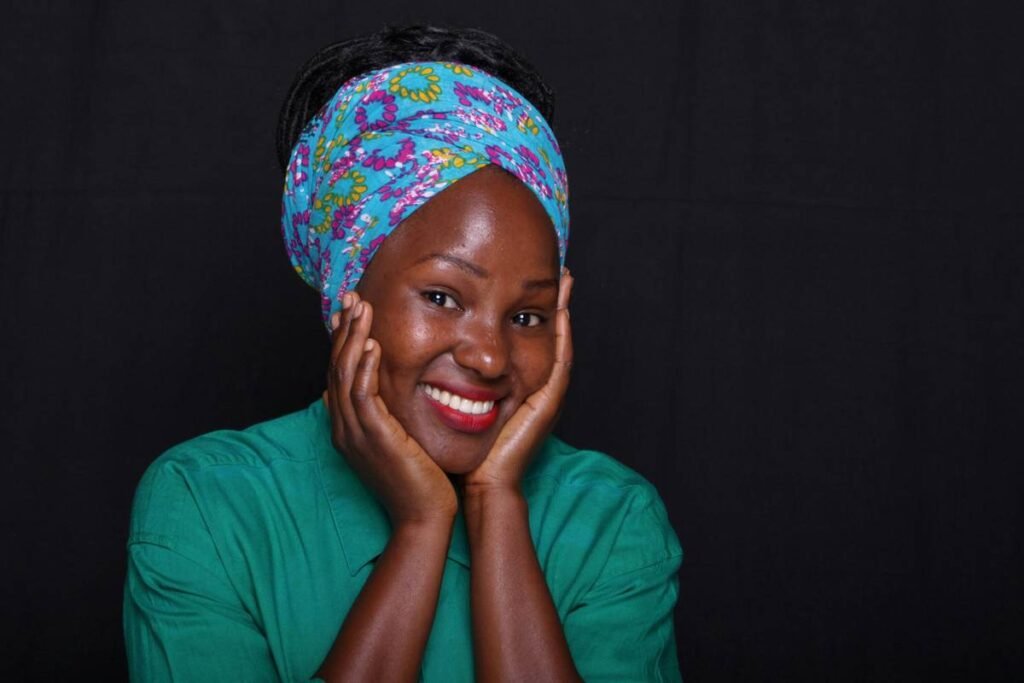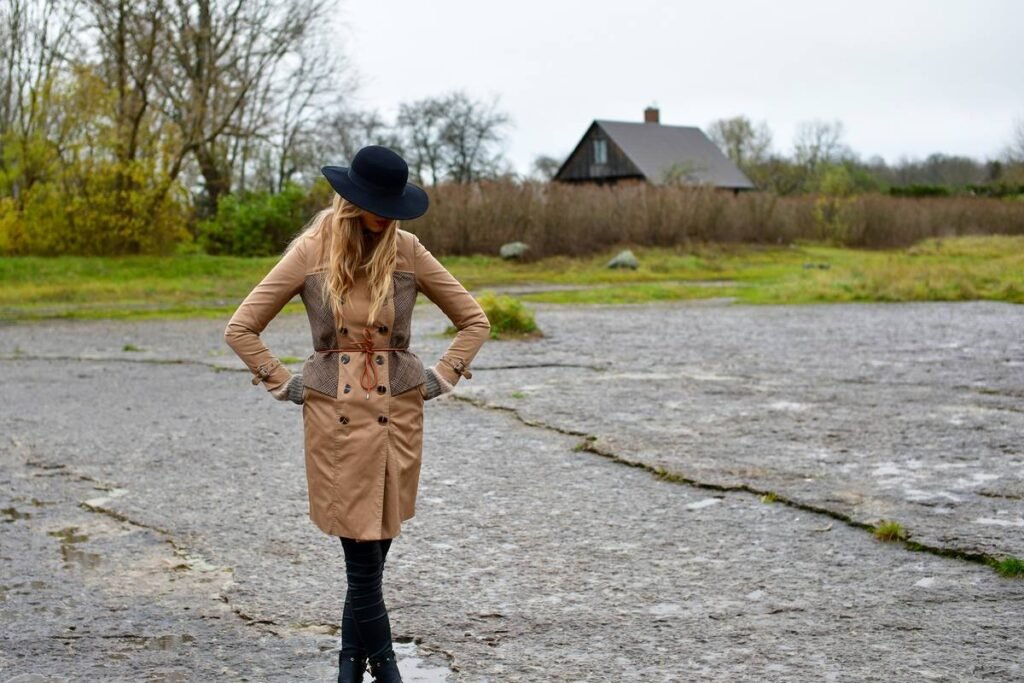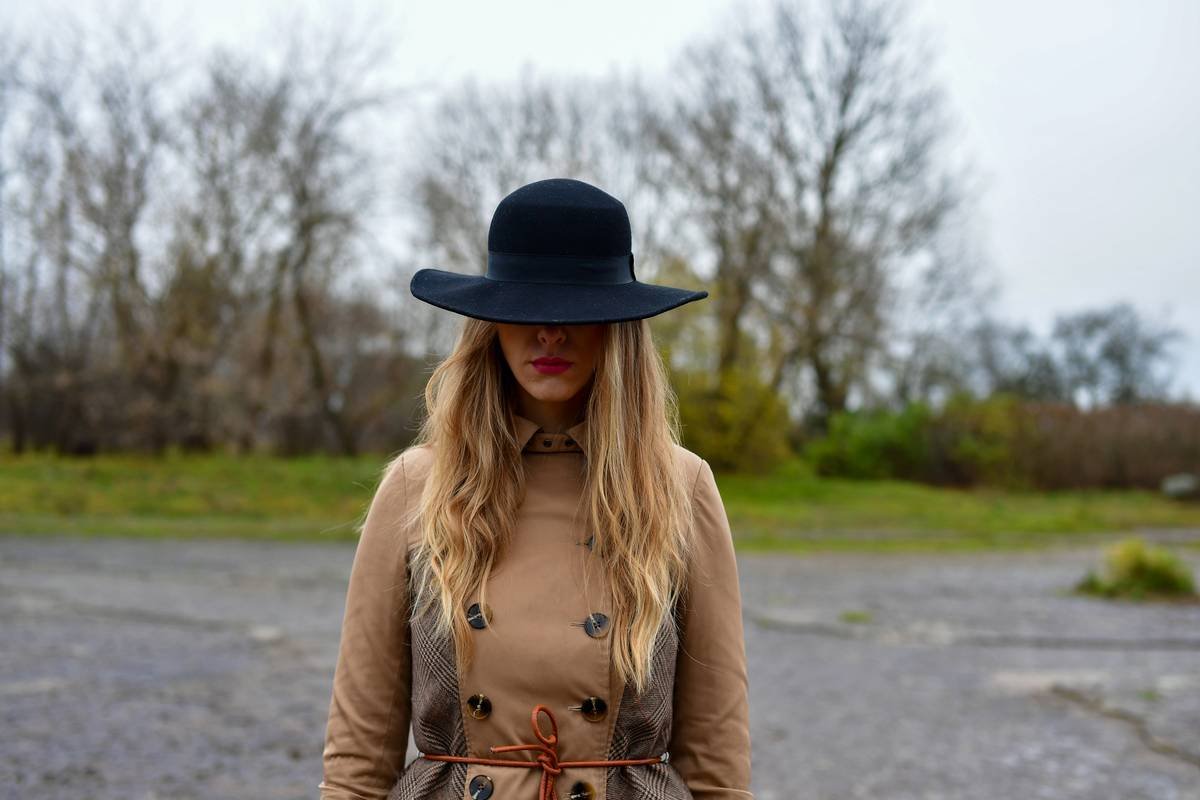
Ever walked out the door with a flawless blowout… only to watch it dissolve into frizz under the midday sun—or worse, get flattened by a baseball cap that left a greasy crease across your scalp? Yeah. We’ve all been there. But what if I told you there’s a category of hair hats—yes, hair hats—so stylish, protective, and scalp-friendly they’re basically wearable skincare?
Welcome to the world of Chic Coverings: thoughtfully designed headwear that shields your strands from UV damage, preserves delicate hairstyles, and adds serious fashion cred—all while supporting scalp health. In this guide, you’ll discover why dermatologists and stylists alike are quietly obsessing over them, how to choose ones that actually flatter your face shape (no more “helmet head”), and which materials won’t suffocate your follicles. Plus: real talk on what not to buy—even if TikTok says it’s “aesthetic.”
Table of Contents
- Why Hair Hats Aren’t Just for Bad Hair Days
- How to Choose Chic Coverings That Work With Your Hair & Lifestyle
- 5 Non-Negotiable Best Practices for Wearing Hair Hats Daily
- Real Results: How Chic Coverings Transformed These Routines
- Chic Coverings FAQs: Your Burning Questions, Answered
Key Takeaways
- UV radiation damages hair proteins—leading to brittleness, color fade, and scalp aging (Journal of Investigative Dermatology, 2020).
- “Chic Coverings” aren’t generic hats—they’re scalp-conscious designs made from breathable, non-abrasive fabrics like Tencel™ or UPF 50+ linen.
- Avoid tight elastic bands or synthetic linings—they cause traction alopecia and sweat buildup.
- The right hair hat can extend blowout life by up to 48 hours while protecting against environmental pollutants.
- Style tip: Wide-brimmed woven hats with interior silicone grips = zero slippage, max sophistication.
Why Hair Hats Aren’t Just for Bad Hair Days
Let’s be brutally honest: most people treat hats as afterthoughts—a last-minute cover-up for unwashed roots or a lazy-day crutch. But in professional haircare circles? Headwear is a strategic tool. As a former salon director turned scalp-health educator (yep, that’s a real job now), I’ve seen clients reverse seasonal shedding simply by switching to breathable, UV-protective coverings during summer commutes.
Here’s the science: your scalp is skin—thin, sensitive, and prone to photoaging just like your face. A 2022 study in Photodermatology, Photoimmunology & Photomedicine found that consistent UV exposure degrades keratin and weakens the hair cuticle, accelerating breakage. Meanwhile, pollution particles cling to oily scalps, triggering inflammation linked to follicular miniaturization. Translation? Your cute straw sunhat might be secretly sabotaging your hair goals if it’s lined with polyester.
Confessional Fail: Early in my career, I styled a client’s extensions for a beach wedding… then let her wear a cheap nylon visor all day. By sunset, her sew-in was matted with salt, sweat, and synthetic fibers. She cried. I bought her a silk-lined wide-brim the next week. Lesson learned: not all coverings are created equal.
How to Choose Chic Coverings That Work With Your Hair & Lifestyle
What fabric should I prioritize for healthy hair?
Optimist You: “Natural fibers like linen, hemp, or Tencel™ breathe like your favorite cotton tee!”
Grumpy You: “Ugh, fine—but only if it doesn’t cost $120 and shrink in the rain.”
Truth? Invest in UPF 50+ certified natural blends. Tencel™ (made from sustainably sourced wood pulp) wicks moisture 50% better than cotton and reduces friction-induced frizz. Avoid anything labeled “100% acrylic”—it traps heat and static like a sauna made of plastic wrap.
Do brim size and fit really affect hair health?
Absolutely. A too-tight band creates constant tension along the hairline—hello, traction alopecia. Look for adjustable inner bands with soft silicone grips (they hold without pulling). As for brims: 3–4 inches offers optimal UV protection for face and shoulders without overwhelming petite frames.
Can I wear hair hats with curly or textured hair?
Yes—with caveats. Deep-crown styles (like fedoras or bucket hats with 5″+ depth) prevent crown flattening. Always line the interior with satin or silk to minimize moisture loss. Pro tip: twist curls into a pineapple puff before putting on your hat to maintain volume.
5 Non-Negotiable Best Practices for Wearing Hair Hats Daily
- Prep your scalp: Apply a lightweight antioxidant serum (think green tea or ferulic acid) before covering—this combats pollution-induced oxidative stress.
- Rotate your hats: Never wear the same hat two days in a row. Oils and dead skin build up fast, even on “clean” fabrics.
- Spot-clean weekly: Use a damp microfiber cloth with diluted vinegar (1:3 ratio) to wipe interior bands—kills bacteria without damaging fibers.
- Store properly: Stuff with acid-free tissue paper and keep in a breathable cotton bag. Never crush brims in purses!
- Match to your routine: Office worker? Opt for structured felt berets. Beachgoer? Go for packable raffia with UPF lining.
Terrible Tip Disclaimer: “Just spray your hat with dry shampoo to freshen it up.” NO. Aerosol residue builds up, clogs fabric pores, and attracts more dirt. Hard pass.
Real Results: How Chic Coverings Transformed These Routines
Case Study #1 – Maya R., Color-Treated Brunette (Los Angeles)
After noticing her balayage faded 3x faster in summer, Maya switched to a UPF 50+ linen cloche hat for dog walks. Result? Her color lasted 10 weeks instead of 6, and her stylist noted “zero split ends” at her next gloss appointment.
Case Study #2 – Dev T., Curly Hair Advocate (Miami)
Used to battle humidity-induced frizz in his Type 4 coils. Now wears a deep-crown, silk-lined bucket hat daily. His secret? “I mist my curls with aloe water before putting it on—locks stay defined for hours.”
Industry Insight: According to the American Academy of Dermatology, consistent use of physical sun barriers (like wide-brimmed hats) reduces scalp cancer risk by up to 47% in high-UV regions. Fashion that literally saves lives? Chef’s kiss.
Chic Coverings FAQs: Your Burning Questions, Answered
Can hair hats cause hair loss?
Only if poorly designed. Tight elastics or rough seams cause traction alopecia over time. Choose hats with seamless interiors and flexible sizing.
How do I stop my hat from messing up my bangs?
Spray bangs with a flexible-hold gel, then clip them back with a mini duckbill clip before putting on your hat. Release post-wear for zero creasing.
Are “fashion” sun hats actually UV-protective?
Not always. Look for a certified UPF (Ultraviolet Protection Factor) label—UPF 30+ is good, 50+ is ideal. Dark, tightly woven fabrics block more rays than pale, loose weaves.
Can I wear chic coverings post-keratin treatment?
Yes! In fact, it’s recommended. Avoid wool or abrasive textures for the first 72 hours—opt for smooth satin-lined options to preserve your smoothness.
Conclusion
Chic Coverings aren’t just accessories—they’re active participants in your hair health ecosystem. From blocking UV degradation to preserving salon work and reducing environmental damage, the right hat does heavy lifting while looking effortlessly elegant. Remember: prioritize breathability, certified sun protection, and scalp-friendly construction over fleeting trends. Your strands (and future self) will thank you.
Like a Tamagotchi, your hair needs daily care—even when it’s under wraps.