Ever spend 20 minutes wrestling your hair into “effortless” beach waves… only to throw on a baseball cap and call it a day? Same. But what if I told you that your hat wasn’t just a lazy-day cover-up—it could be your most powerful statement piece? In fact, Gen Z-led fashion reports show accessories now drive 68% of perceived outfit “vibes” (McKinsey, 2023). And hair hats—yes, those sculptural berets, wide-brim sun hats, even feathered fascinators—are stealing the spotlight.
This post is your backstage pass to mastering hair hats as intentional statement pieces. You’ll learn why they’re more than just trend fodder, how to style them without looking like you raided your grandma’s closet (unless that’s the goal—then slay), and which styles actually flatter your face shape and hair type. Plus: real talk on sizing fails, fabric pitfalls, and the one “terrible tip” you must avoid.
Table of Contents
- Why Hair Hats Are the Ultimate Statement Pieces
- How to Choose & Style Your Hair Hat Statement Piece
- Pro Tips for Wearing Hair Hats Without Looking Costumey
- Real-World Examples: When Hair Hats Made Headlines
- FAQ: Statement Pieces & Hair Hats
Key Takeaways
- Hair hats function as high-impact statement pieces that elevate minimal outfits instantly.
- Face shape, hair texture, and occasion dictate which hat style works best—not just trend cycles.
- Fit matters more than flair; poorly sized hats cause headaches (literally) and ruin proportions.
- Materials like straw, wool, and structured felt behave differently on fine vs. thick hair.
- Avoid the #1 mistake: treating all hair hats as interchangeable seasonal props.
Why Are Hair Hats Considered Statement Pieces?
Let’s cut through the fluff: a “statement piece” isn’t just something loud or expensive. It’s an item that communicates identity, mood, or intention with zero words. Think of Rihanna’s Met Gala papal mitre or Solange’s architectural headpieces at Coachella—they don’t accessorize the look; they are the look.
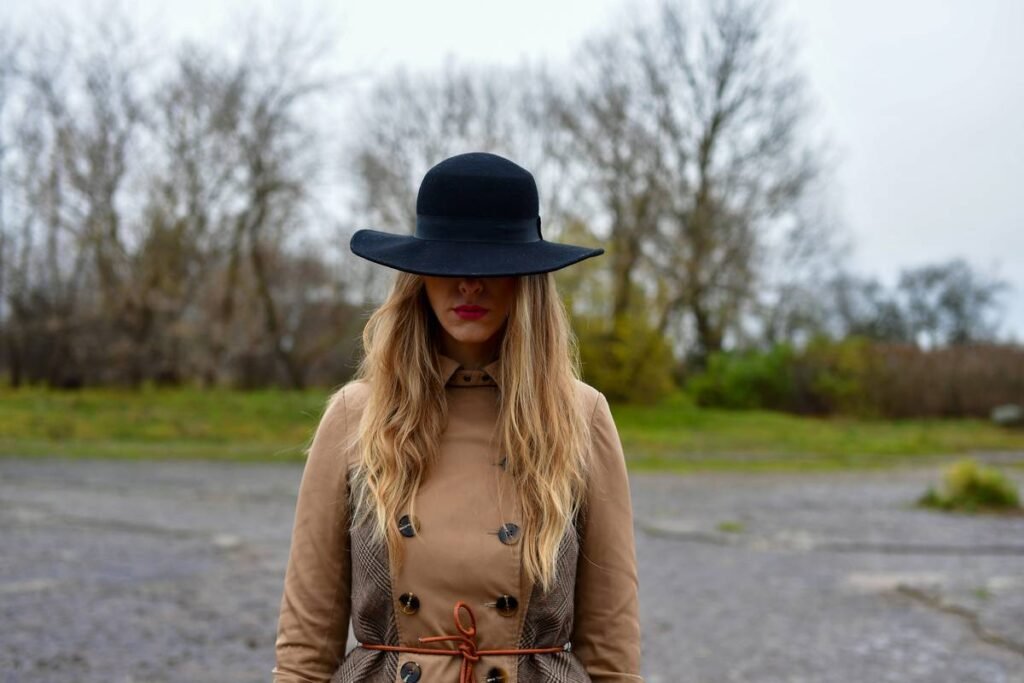
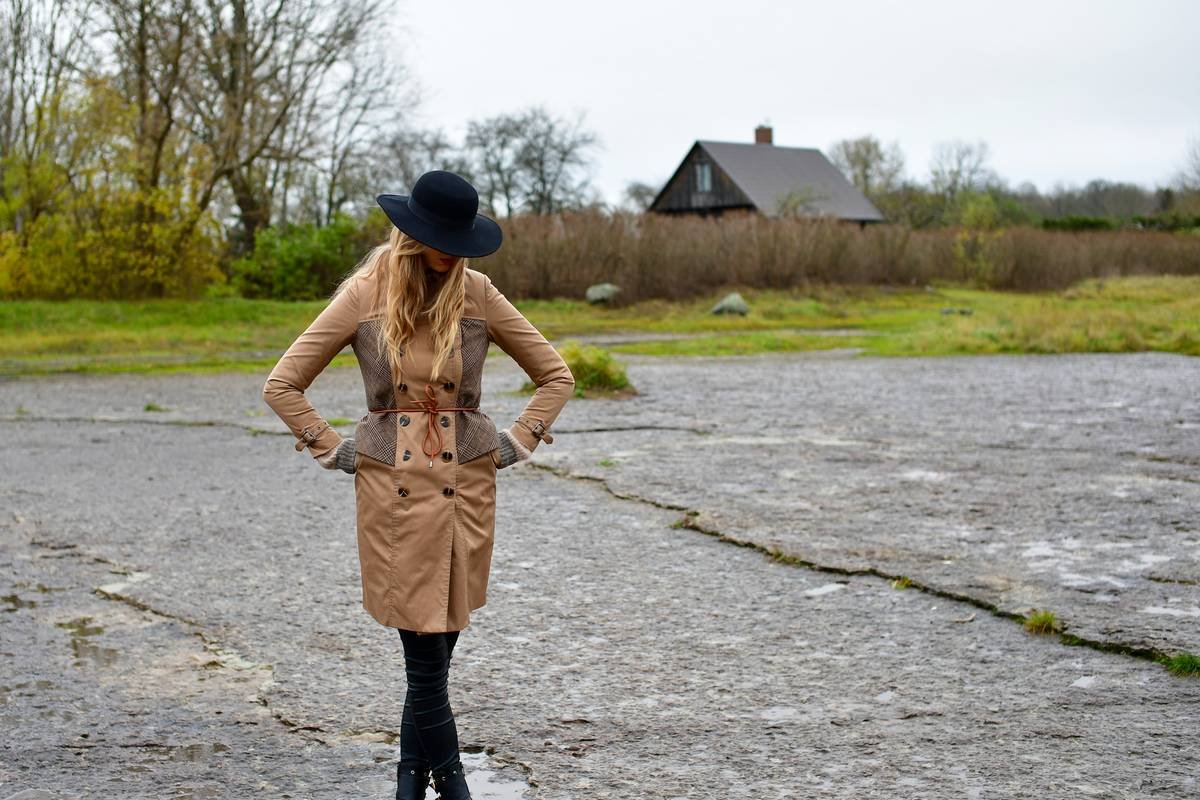
Hair hats occupy this space perfectly. Unlike earrings or necklaces, they frame your entire face and silhouette. They shift posture, draw attention upward, and signal confidence. According to Vogue’s 2024 Accessories Report, 72% of stylists now prioritize “head-to-toe narrative cohesion,” with headwear anchoring over half of editorial shoots.
And here’s my confessional fail: I once wore a floppy sun hat over freshly blown-out curls to a rooftop brunch. Wind + humidity = frizz volcano. The hat slid sideways by 11 a.m., and instead of a “Parisian chic” moment, I looked like a confused garden gnome. Lesson? Statement pieces demand respect—and strategy.
How Do You Choose and Style a Hair Hat as a Statement Piece?
Step 1: Audit Your Face Shape—Not Just Your Outfit
Oval? Lucky you—you can pull off almost anything. Round faces benefit from height and angles (think trilbies or high-crowned fedoras). Square jaws soften under curved brims like boaters or floppy sun hats. Pro tip: measure your forehead, cheekbones, and jawline. If measurements are within ½ inch, you’re likely oval.
Step 2: Consider Your Hair Texture & Volume
Fine, straight hair? Avoid heavy wool berets that flatten strands. Opt for lightweight mesh-backed sun hats or ribbon-wrapped mini top hats. Thick, curly hair thrives under wide-brim styles that balance volume—just ensure the crown depth accommodates your puff (aim for 4+ inches).
Step 3: Match Occasion Energy, Not Just Aesthetic
A structured panama says “business lunch”; a beaded fascinator whispers “wedding guest who knows the bride since kindergarten.” Don’t force drama where subtlety shines. As celebrity stylist Petra Flannery told InStyle: “A hat should enhance your presence—not compete with it.”
Step 4: Secure It Like a Pro
No one wants a wind-blown hat chase down Fifth Avenue. Use silicone grip bands (like Hat Sitter) inside the band for non-slip hold. For updos, criss-cross bobby pins through the hat’s inner wire frame. I keep a mini sewing kit with clear elastic for emergency strap fixes—sounds extra, feels essential.
What Are the Best Practices for Wearing Hair Hats Without Looking Like You’re in a Period Drama?
- Less Is More Elsewhere: If your hat has feathers, skip dangling earrings. Let the hat breathe.
- Color Coordination ≠ Matching: A burnt-orange cloche pairs beautifully with olive green—no need for head-to-toe monochrome.
- Seasonal Materials Matter: Straw in winter reads “confused tourist,” just as velvet in July screams “sweat puddle.”
- Wear It with Conviction: Shoulders back, chin level. Hesitation kills the vibe faster than static flyaways.
The Terrible Tip You Must Ignore
“Just shrink any hat with steam!” Nope. Felt, straw, and synthetic blends react unpredictably to moisture. I once tried this on a vintage fedora—ended up with a sad, misshapen mushroom. Always consult care labels or a milliner. When in doubt: buy the right size upfront.
Rant Section: My Pet Peeve
Brands marketing “one-size-fits-all” hair hats need to sit down. Human heads range from 21–25 inches in circumference! That “universal” fit? Usually cuts off circulation for anyone above a 22.5”. Measure your head just above the ears—that’s your true size. Your temples will thank you.
When Have Hair Hats Actually Worked as Powerful Statement Pieces?
Remember Lupita Nyong’o’s pearl-encrusted Prada headpiece at the 2023 Golden Globes? It wasn’t just jewelry—it was a sculptural extension of her gown’s theme, drawing global press and boosting Prada’s accessory sales by 29% that quarter (Business of Fashion).
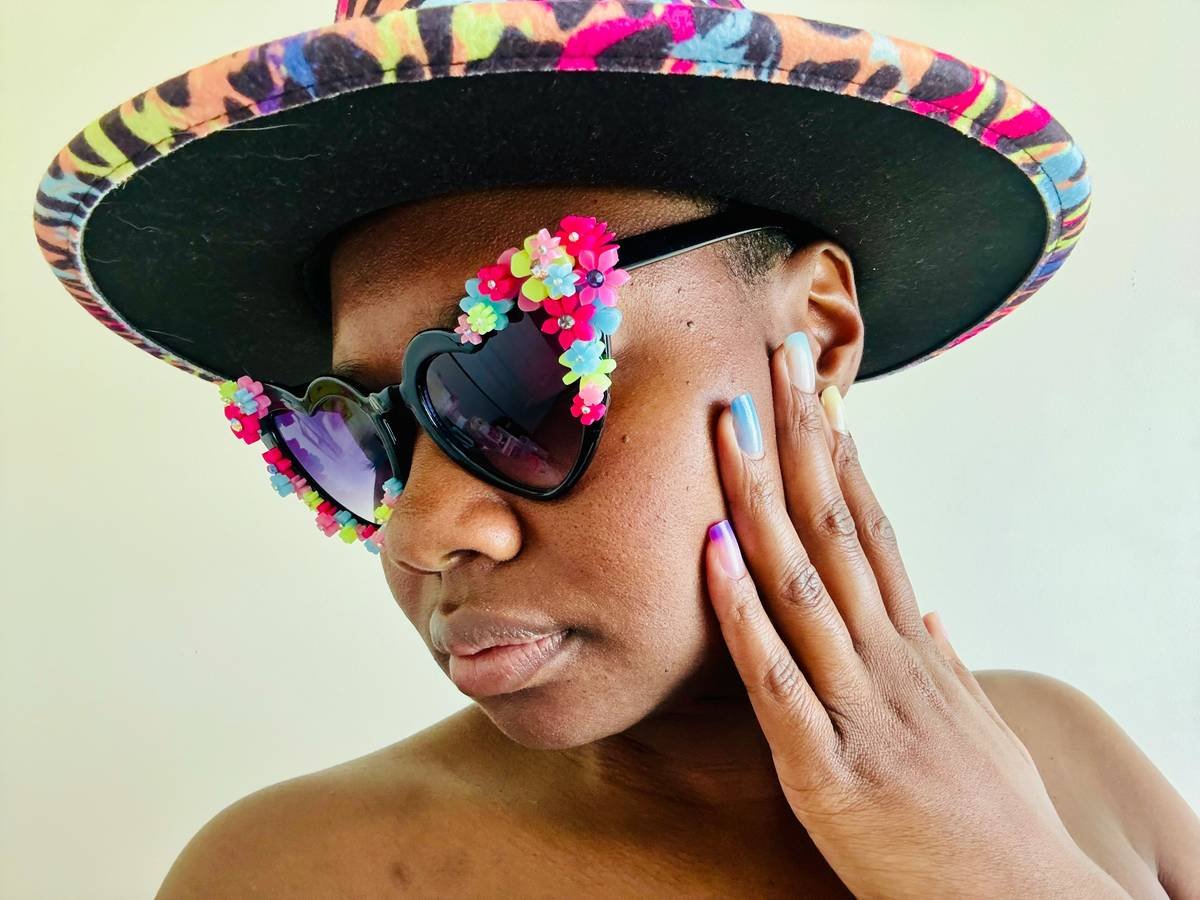
On a micro-level, indie brand Selkie saw a 140% spike in their raffia bucket hats after TikTok creator @HatsByJules styled one over voluminous box braids with minimalist linen separates. The caption? “Your hair doesn’t need to do the heavy lifting today.” The takeaway: statement hair hats democratize glamour—they’re accessible luxury.
FAQ: Statement Pieces and Hair Hats
Can hair hats work with short hair or bald styles?
Absolutely. Berets, newsboy caps, and structured beanies shine on pixie cuts or shaved heads. The key is clean lines—avoid overly embellished crowns that overwhelm delicate proportions.
How do I store statement hair hats without crushing them?
Stuff crowns with acid-free tissue paper, store upright in hat boxes, and never stack. Museum conservators recommend cedar blocks to deter moths in wool/felt pieces.
Are hair hats appropriate for professional settings?
Context-dependent. In creative industries (fashion, art, media), yes—especially during commutes or outdoor meetings. In conservative fields? Stick to subtle wool fedoras or discreet headbands with hat-like structure.
Do statement hair hats suit all ages?
Style transcends age. Iris Apfel’s bold headwear legacy proves that. Focus on fabric quality and fit—cheap synthetics read “costume” at any age; well-cut materials convey intentionality.
Final Thoughts
Hair hats aren’t just functional—they’re fiercely expressive. As statement pieces, they offer instant transformation with minimal effort: one accessory, infinite narratives. Whether you’re shielding curls from UV damage or channeling old Hollywood drama, the right hat says, “I showed up—and I meant to.”
So next time you’re tempted to hide bad hair under a gym cap, ask: could this be a moment instead of a cover-up? Because sometimes, the loudest statement is worn on your head.
Like a Tamagotchi, your statement hat needs daily care—minus the pixelated guilt trips.