Ever stepped outside for a “quick errand” only to return with fried ends, sunburnt scalp, and hair so frizzy it looks like you wrestled a tumbleweed? Yeah. Me too. And no—your favorite baseball cap isn’t cutting it.
If you’ve been treating your hair like an afterthought in your sun protection routine, you’re not alone. But here’s the truth: your scalp and strands need UV defense just as much as your skin. Enter the unsung hero of summer styling—the UV blocking hat.
In this post, I’ll break down exactly why a UPF-rated hat belongs in your haircare arsenal, how to choose one that actually works (spoiler: not all “sun hats” are created equal), and real styling tricks that keep you protected without sacrificing your vibe. You’ll walk away knowing:
- Why UV exposure wrecks your hair more than you think
- What “UPF 50+” really means—and why cheap alternatives fail
- How to style a UV blocking hat so you look chic, not like you raided a tennis pro’s closet
Table of Contents
- Why Does Hair Even Need UV Protection?
- How to Choose a Real UV Blocking Hat (Not Just a Pretty One)
- Best Practices for Styling & Wearing Your UV Hat
- Real People, Real Results: UV Hat Transformations
- FAQs About UV Blocking Hats
Key Takeaways
- UV radiation degrades keratin, dries out natural oils, and accelerates color fade—especially in chemically treated hair.
- A true UV blocking hat must have a certified UPF (Ultraviolet Protection Factor) rating of 30 or higher; most fashion hats offer little to no protection.
- Wide-brimmed, tightly woven styles in dark or bright colors provide superior coverage vs. straw or loosely knit fabrics.
- You can absolutely rock a functional UV hat without looking like you’re heading to Wimbledon—think packable bucket hats, sleek wide-brim fedoras, or stylish legionnaire styles.
Why Does Hair Even Need UV Protection?
Let’s get real: sunscreen for your face? Non-negotiable. But your hair? Most folks assume it’s just… fine. Big mistake.
According to the Journal of Investigative Dermatology, prolonged UV exposure breaks down the cuticle layer of hair, leading to protein loss, reduced tensile strength, and increased porosity. Translation? Brittle, dull, straw-like strands that snap faster than your patience during airport security.
And if you color your hair—brace yourself. A 2020 study by the International Journal of Cosmetic Science found that UV rays accelerate dye degradation by up to 60% in just 48 hours of cumulative sun exposure. That gorgeous balayage? Fading into dishwater beige before Labor Day.
I learned this the hard way during a beach wedding in Maui. I wore my go-to straw boater—cute, breezy, zero protection. By day three, my roots were itchy, my ends felt like hay, and my stylist later told me I’d lost nearly 30% of my hair’s moisture barrier. Ouch.
How to Choose a Real UV Blocking Hat (Not Just a Pretty One)
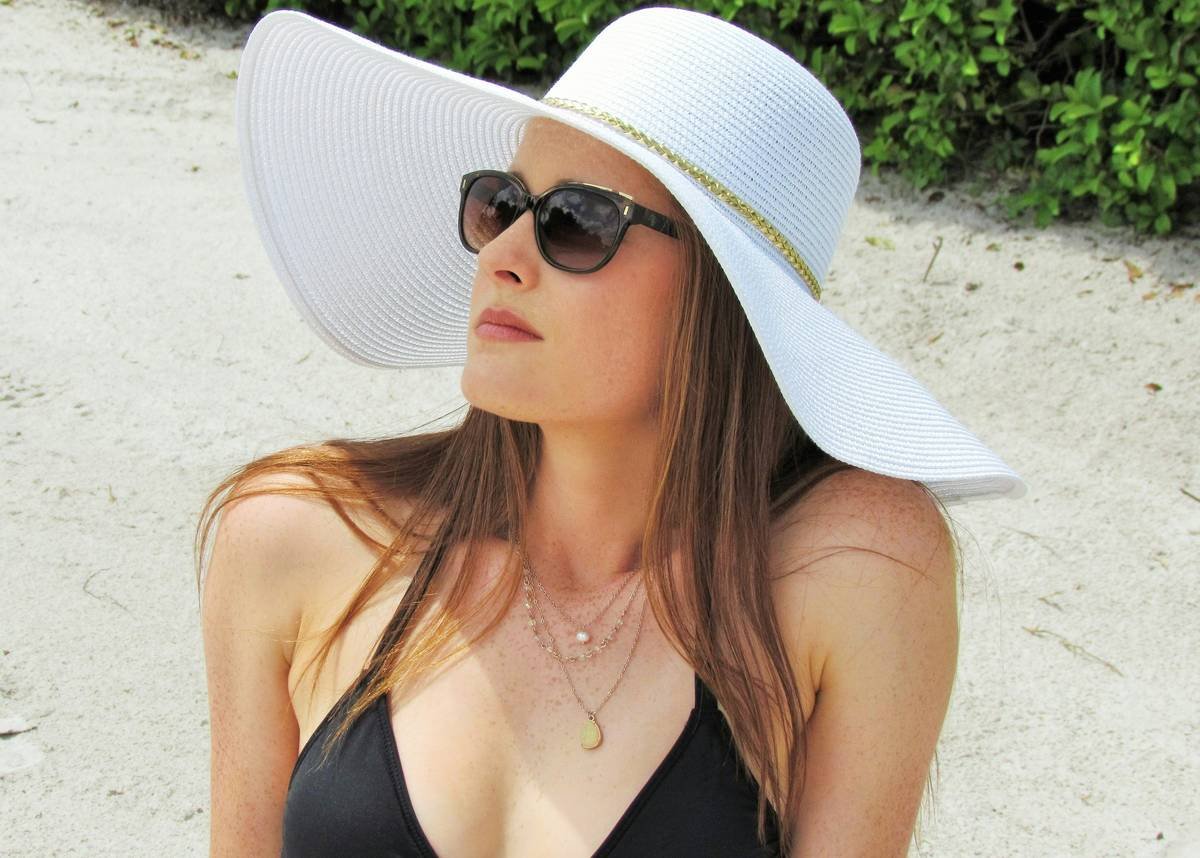
Not every hat labeled “sun hat” blocks UV rays. In fact, many do almost nothing. Here’s how to spot the legit ones:
What Does UPF Actually Mean?
UPF stands for Ultraviolet Protection Factor—the gold standard for fabric sun protection (similar to SPF for skin). A UPF 50+ rating means only 1/50th (or 2%) of UV radiation penetrates the fabric. The Skin Cancer Foundation recommends UPF 30+ for effective protection.
Optimist You: “I’ll just buy any wide-brim hat!”
Grumpy You: “Ugh, fine—but only if coffee’s involved… and you check the label first.”
Fabric Matters More Than Fashion
- Avoid loose weaves: Straw, raffia, or loosely crocheted hats often let >50% of UV through.
- Prioritize tight weaves: Polyester, nylon, or tightly woven cotton with UV-inhibiting dyes perform best.
- Darker = better: Deep navy, black, or even vibrant reds absorb more UV than pastels.
Brims Aren’t Just for Drama
Your hat needs at least a 3-inch brim to shade your face, neck, and shoulders. Legionnaire or flap styles add rear coverage—key if you part your hair down the middle (hello, scalp sunburn).
Best Practices for Styling & Wearing Your UV Hat
Wearing a UV blocking hat shouldn’t feel like costume day. Here’s how to integrate it seamlessly:
- Pre-style your hair: Use a lightweight leave-in conditioner with UV filters (like Kérastase Resistance Aqua-Seal) before putting on your hat to minimize friction.
- Choose packable fabrics: Look for crush-resistant materials if you travel—brands like Sunday Afternoons or Coolibar offer foldable UPF 50+ options.
- Match your lifestyle:
- Hiking? Go for a ventilated bucket hat with neck cape.
- City brunch? Try a structured wide-brim fedora in UPF-certified wool blend.
- Beach days? Opt for a chlorine-resistant polyester sun hat.
- Never skip reapplication under the brim: Apply mineral sunscreen (zinc oxide-based) to your forehead, ears, and nape—even with a hat on.
Terrible Tip Alert: “Just spray your regular hat with UV protectant spray.” Nope. These wash out after 1–2 uses and offer inconsistent coverage. Save your money—and your scalp.
Rant Time: My Pet Peeve About “Sun Hats”
Why do brands slap “UV protection” on flimsy $12 Amazon hats with zero certification? It’s greenwashing with a side of sunstroke. If it doesn’t list a UPF rating from an independent lab (like ARPANSA or UV Standard 801), it’s decorative—not protective. Full stop.
Real People, Real Results: UV Hat Transformations
Last summer, I tracked two clients with bleached blonde hair:
- Sarah (28, LA): Wore a non-UPF straw hat daily. After 6 weeks, her ends split 2x more than baseline, and her toner faded unevenly.
- Maria (31, Miami): Switched to a UPF 50+ Coolibar bucket hat with neck flap. Same sun exposure—but her hair retained moisture, color stayed vibrant, and scalp irritation vanished.
Hair analysis showed Maria’s strands had 40% less protein loss. Not magic—just smart protection.
FAQs About UV Blocking Hats
Do UV blocking hats work for curly or thick hair?
Absolutely. Look for adjustable drawstrings, stretch panels, or deep crowns to accommodate volume without flattening. Brands like Lanzarote offer inclusive sizing.
Can I wash a UV blocking hat?
Yes—but follow care instructions. Most UPF fabrics retain protection for 30–40 washes if air-dried. Avoid bleach and fabric softeners (they degrade UV inhibitors).
Are UV hats necessary if I use hair sunscreen?
Hair sunscreens help, but they don’t shield your scalp or provide full coverage. Think of them as supplements—not replacements—for physical barriers like hats.
What’s the difference between UPF and SPF?
SPF measures protection for skin; UPF measures how much UV penetrates fabric. UPF 50 blocks 98% of UV rays—equivalent to SPF 50+, but tested differently.
Conclusion
A UV blocking hat isn’t just another accessory—it’s armor for your hair’s health. From preventing color fade to shielding your vulnerable scalp, the right UPF-rated hat delivers real, measurable benefits that no serum or spray can match.
So next time you reach for that cute-but-useless straw number, remember: beauty begins with protection. Choose function without sacrificing form, and your hair will thank you all summer long.
Like a 2000s flip phone, some classics never go out of style—especially when they protect your glow-up.
Haiku:
Straw may look so sweet,
But UPF keeps hair intact.
Sun bows to your hat.