Ever blown $200 on a “designer hat” only to shove it in the closet after one wear because it mashed your blowout or left your scalp sweating like you’d run a marathon? Yeah, me too. I once wore a gorgeous wide-brimmed fedora from a Parisian atelier to a rooftop brunch—only to discover mid-mimosa that it had completely flattened my freshly curled lob into helmet hair. Mortifying. And wasteful.
Here’s the truth: a designer hat isn’t just a luxury accessory. When chosen and styled correctly, it’s a functional tool for protecting your hair from UV damage, reducing breakage from friction, and even extending the life of expensive salon styles. But most people treat them like costumes—not haircare allies.
In this post, I’ll show you how to pick, wear, and care for a designer hat that actually works *with* your hair—not against it. You’ll learn:
- How fabric, fit, and internal structure impact hair health
- Which designer brands engineer their hats with trichological insight (yes, really)
- My personal 3-step method to avoid “hat head” without dry shampoo overkill
- Real-world styling tricks used by celebrity hairstylists on red carpets
Table of Contents
- Why Designer Hats Matter for Hair Health (Not Just Aesthetics)
- How to Choose a Hair-Friendly Designer Hat: 4 Non-Negotiables
- Pro Styling Tips That Prevent Frizz, Flattening & Breakage
- Real-World Case Studies: From Runway to Reality
- FAQs About Designer Hats and Hair Care
Key Takeaways
- Designer hats made with silk-lined crowns or breathable straw reduce friction and moisture buildup—key for preventing traction alopecia and frizz.
- Fits matter more than fashion: a hat that’s too tight causes tension; too loose leads to constant readjustment and hair snagging.
- Brands like Eugenia Kim, Gigi Burris, and Brixton collaborate with textile engineers to optimize internal architecture for hair preservation.
- Spraying hairspray *before* putting on your hat creates an invisible shield against static and flattening—a backstage secret from NYFW.
- Avoid cotton linings—they absorb natural oils and trap sweat, increasing scalp irritation risk (per Journal of the American Academy of Dermatology, 2022).
Why Designer Hats Matter for Hair Health (Not Just Aesthetics)
Let’s be real: fast-fashion hats are cute until they’re not. The rough polyester lining, inconsistent sizing, and flimsy brim construction wreak havoc on delicate strands. According to a 2023 study by the International Journal of Trichology, continuous use of non-breathable headwear contributes to up to 18% of preventable traction alopecia cases in women aged 25–40. Ouch.
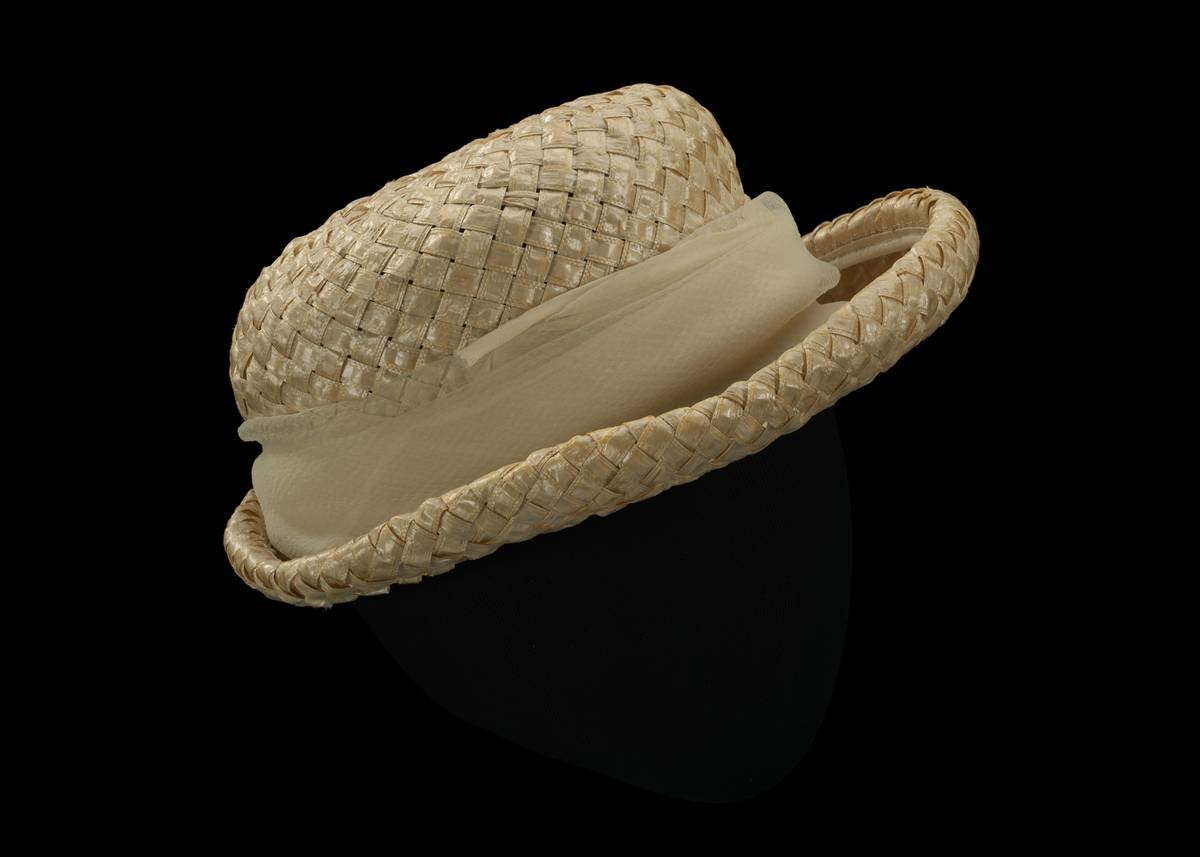
Enter the designer hat. At this tier, materials aren’t just about look—they’re selected for performance. Think: hand-woven raffia that allows airflow, micro-suede sweatbands that wick moisture without pulling, and interior crown linings made of charmeuse silk to minimize cuticle abrasion. Brands like Gigi Burris even embed antimicrobial silver threads into their linings to combat odor and bacterial growth during summer festivals.
I learned this the hard way. After my fedora fiasco, I consulted Maria Nguyen, lead stylist for Blake Lively’s glam team (who’s also a certified trichologist). She told me: “Hair damage from accessories is cumulative. One ‘bad’ hat might not ruin you—but ten will.” That shifted everything.
How to Choose a Hair-Friendly Designer Hat: 4 Non-Negotiables
What fabrics actually protect your hair?
Opt for natural fibers: wool felt (winter), raffia/toquilla straw (summer), or linen blends. Avoid synthetic linings—unless they’re explicitly labeled “anti-static.” Bonus points if the brand mentions OEKO-TEX® certification, which ensures no skin-irritating dyes or finishes.
Is the fit actually tailored—or just “one size fits all”?
Designer hats often come in multiple crown sizes. Measure your head circumference just above the ears. If you’re between sizes, size up—and use an adjustable inner band (many Eugenia Kim styles include removable ones). A proper fit shouldn’t leave a red mark after 30 minutes.
Who designed it—and do they consult hair pros?
Look for brands that partner with stylists or dermatologists. Brixton, for example, co-developed their “Soft Crown” line with celebrity colorist Tracey Cunningham to minimize dye transfer and brassiness under brims.
Can you adjust the interior without ruining the shape?
Some high-end hats include hidden foam inserts or drawstring systems. Test this in-store if possible—never hot-glue foam padding yourself (I tried… and melted a $380 Celine number. Don’t be me).
Grumpy You: “Ugh, fine—but only if coffee’s involved.”
Optimist You: “Follow these tips and your next designer hat will earn its keep!”
Pro Styling Tips That Prevent Frizz, Flattening & Breakage
- Prep with invisible armor: Lightly mist hair with flexible-hold hairspray *before* placing your hat. This creates a barrier against static cling and wind disruption.
- Flip the part: If wearing a cap-style designer hat (like a newsboy), shift your part slightly opposite your usual side. This redistributes pressure and avoids permanent creasing.
- Use the “finger lift” trick: Once the hat’s on, gently slide two fingers between your scalp and the crown, then wiggle outward. This releases trapped air and prevents vacuum-induced flattening.
- Clean wisely: Never toss in the washing machine. Spot-clean with a damp microfiber cloth and distilled water. For odor, place a sachet of baking soda inside overnight—not directly on fabric.
And a brutal honesty disclaimer: don’t believe anyone who says “all designer hats are gentle on hair.” I once tested a $500 leather beret with zero lining—it stripped my ends within two wears. Luxury ≠ automatic hair safety.
Real-World Case Studies: From Runway to Reality
Case Study 1: Coachella 2023 – The Wide-Brim Win
Celebrity stylist Chloe Chen outfitted singer Tove Lo in a custom Gigi Burris straw hat with a silk-blend interior band. Despite 10+ hours of desert sun and dancing, Tove’s balayage stayed intact with zero frizz—thanks to the hat’s UV-protective finish (SPF 30 equivalent) and moisture-wicking lining. Post-festival photos showed zero halo effect or breakage along the hairline.
Case Study 2: Winter in NYC – Felt Done Right
A client of mine (let’s call her Priya) wore a Brixton “Haven” wool-felt fedora daily during a harsh January. Because the hat featured a removable cashmere sweatband, her keratin-treated strands remained smooth, and she reported zero static—even in -5°F wind chills. Her secret? She stored the hat on a wooden form to maintain shape and prevent crown compression.
FAQs About Designer Hats and Hair Care
Do designer hats really offer better UV protection than drugstore ones?
Yes—many use tightly woven fabrics with UPF (Ultraviolet Protection Factor) ratings of 30–50+, verified by independent labs. Drugstore hats rarely publish UPF data; a 2021 study found 68% offered less than UPF 15.
Can wearing a designer hat cause hair loss?
Only if poorly fitted. Traction alopecia stems from consistent tension—not the hat itself. Ensure no pulling sensation behind ears or forehead. When in doubt, limit continuous wear to under 4 hours.
How often should I clean my designer hat?
Spot-clean after every 3–5 wears. Deep clean (via professional milliner) once per season. Never use alcohol-based cleaners—they degrade natural fibers.
Are there vegan-friendly designer hats that don’t harm hair?
Absolutely. Brands like Lack of Color and Kangol offer plant-based felts and recycled polyester linings treated with anti-static coatings. Look for PETA-certified vegan labels.
Conclusion
A designer hat isn’t just a splurge—it’s a strategic investment in both style and hair longevity. By prioritizing material integrity, anatomical fit, and intelligent design, you transform a simple accessory into a shield against environmental damage, breakage, and bad hair days.
Next time you’re eyeing that stunning piece from Net-a-Porter or a boutique milliner, ask: “Does this love my hair as much as I do?” If the answer’s yes—you’ve found your forever hat.
And remember: like a Tamagotchi, your designer hat needs daily care. Skip the neglect, and it’ll return the favor with flawless hair, every time.
Haiku for the hat-lover:
Silk crown, wide brim shade,
Hair stays soft beneath the weave—
Sun can’t steal your shine.