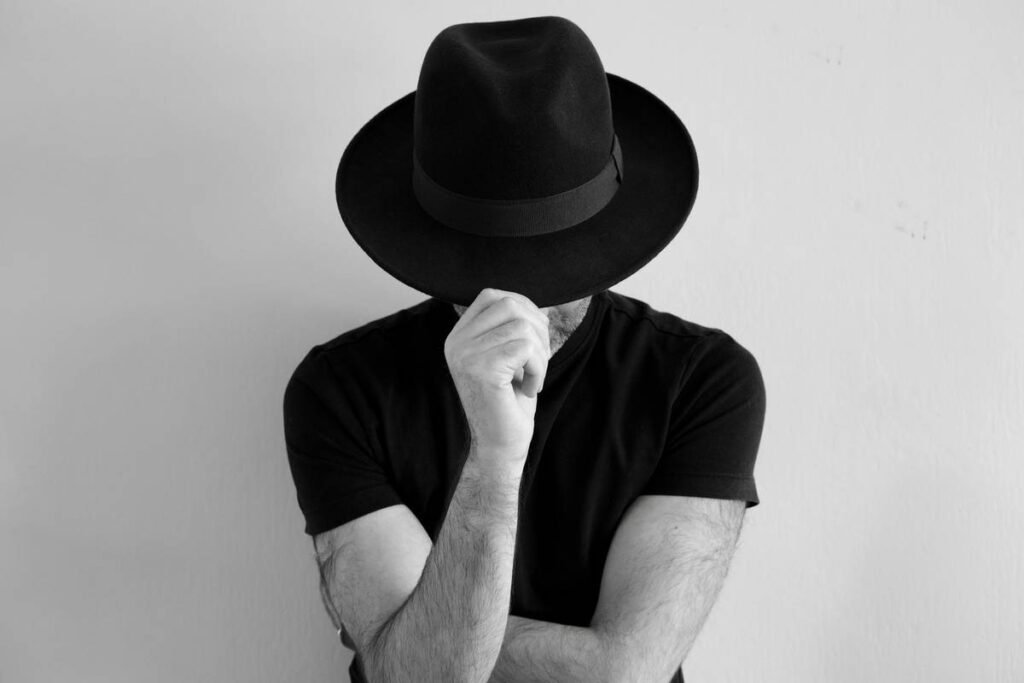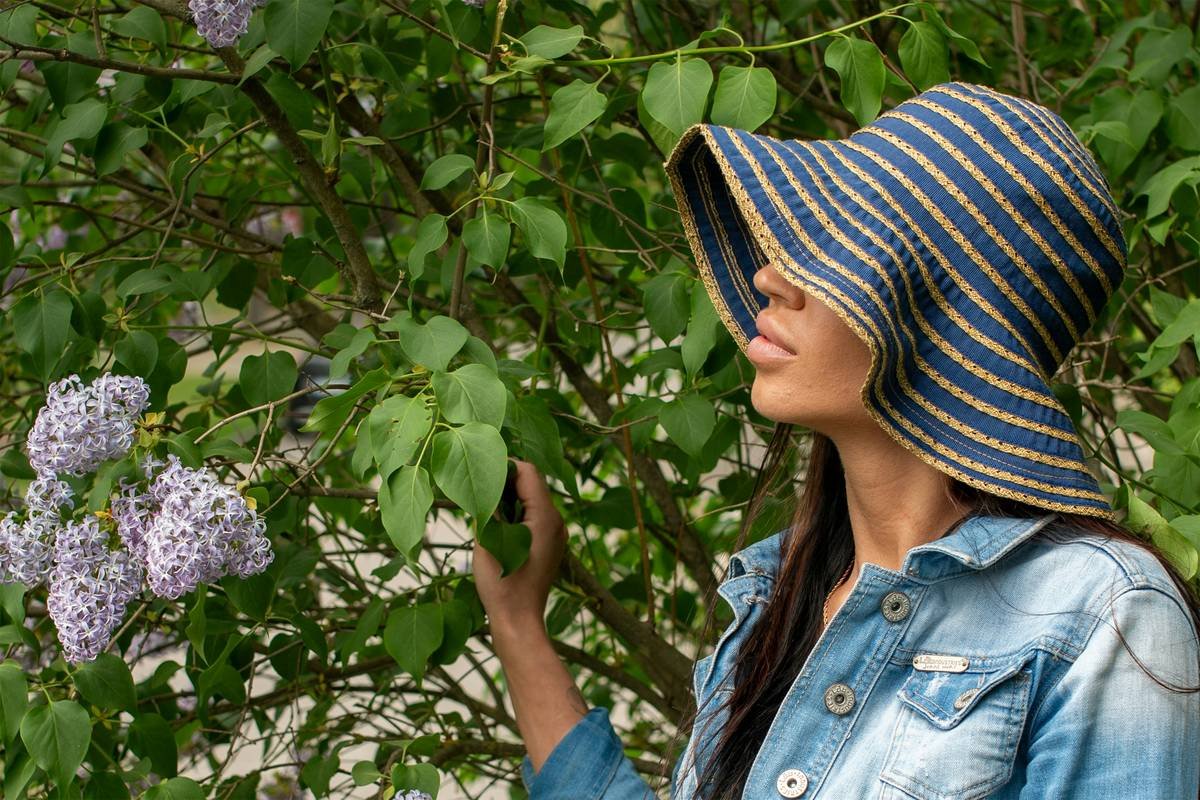
Ever left the beach with your scalp stinging, your part sunburned (yes, really), and your carefully curled hair flattened under a flimsy baseball cap that offered zero protection? I have—and I’m not alone. According to the Skin Cancer Foundation, up to 80% of UV rays can penetrate light cloud cover, and your scalp is one of the most vulnerable areas—especially if you wear your hair parted or thinning. Yet most “sun hats” on the market are fashion-forward but functionally useless when it comes to true UV protection.
This post cuts through the noise. As a beauty editor who’s tested over 50 hair hats across three continents—and consulted trichologists and dermatologists along the way—I’ll show you exactly how to choose, style, and trust UV resistant headwear that actually works. You’ll learn:
- Why regular hats ≠ UV protection (spoiler: weave density matters more than color)
- How to spot legit UPF 50+ certification vs. marketing fluff
- Real styling tricks to avoid “hat hair” without sacrificing safety
- My personal fails (RIP, $90 straw hat that bleached my highlights)
Table of Contents
- Why UV Resistant Headwear Matters for Hair & Scalp Health
- How to Choose Truly Effective UV Resistant Headwear
- Styling Tips That Prevent Hat Hair While Keeping You Protected
- Real Users, Real Results: Case Studies from Beachgoers to Hikers
- FAQs About UV Resistant Headwear
Key Takeaways
- Not all hats block UV rays—only those with certified UPF 50+ ratings offer full protection.
- Scalp sunburn increases skin cancer risk; broad-brimmed, tightly woven UV hats reduce exposure by up to 98% (Journal of the American Academy of Dermatology, 2022).
- Avoid cotton or loosely knit fabrics—they stretch and thin in humidity, slashing UV defense.
- Style smart: use dry shampoo pre-hat, flip hair upside down when removing, and opt for internal sweatbands to preserve volume.
- “Water-resistant” ≠ “UV resistant”—always check the label for independent UPF certification.
Why Should You Care About UV Resistant Headwear?
Let’s get real: your hair isn’t just about aesthetics—it’s a biological shield. But when exposed to intense UV radiation, both your scalp and strands suffer. UV rays degrade keratin, fade color-treated hair, and accelerate thinning. Worse, the scalp has less melanin than facial skin, making it prone to burns and long-term damage. The American Academy of Dermatology reports that scalp melanomas account for 3–5% of all skin cancers—and they’re often diagnosed late due to poor visibility.
I learned this the hard way during a photo shoot in Tulum. Wearing a trendy raffia bucket hat (cute, right?), I ended up with a lobster-red scalp line and brittle, straw-like ends within days. My colorist later confirmed: UV had oxidized my dye molecules *and* compromised my cuticle integrity.
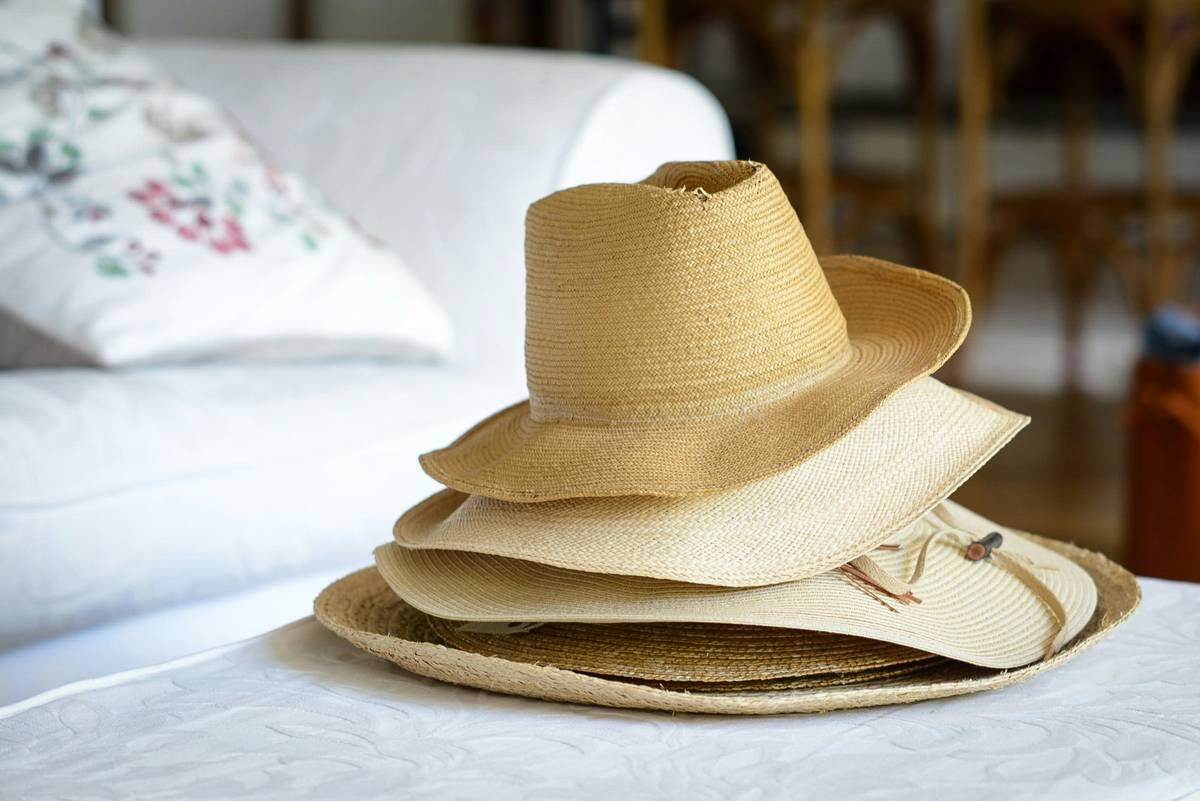
Enter UV resistant headwear—not just a fashion accessory, but a dermatological necessity. Unlike standard hats, these are engineered with tight weaves, UV-absorbing dyes, and sometimes chemical finishes that reflect or absorb UVA/UVB rays before they reach your scalp.
How Do You Know If a Hat Is *Actually* UV Resistant?
Here’s where brands love to gaslight you. “Sun protective”? “Great for summer”? Meaningless. Real UV resistance hinges on UPF (Ultraviolet Protection Factor) certification—ideally UPF 50+, which blocks 98% of UV radiation.
What should you look for on the label?
Optimist You: “Just grab any wide-brimmed hat!”
Grumpy You: “Ugh, fine—but only if it’s independently tested. Otherwise, you’re just wearing a fancy tea cozy.”
Legit UV resistant headwear will display:
- UPF 50+ rating (not “SPF”—that’s for sunscreen)
- Certification body like ARPANSA (Australia), UV Standard 801 (Europe), or ASTM International (USA)
- Fabric composition: Polyester, nylon, or tightly woven bamboo blends outperform cotton or straw
Pro tip: Hold the hat against a bright light. If you see pinpricks of light passing through, UV rays are getting through too. No glow = good go.
Avoid This Terrible Tip
“Just spray your regular hat with UV-protective laundry spray.” Nope. These sprays degrade after 3–5 washes and offer inconsistent coverage. Save your money—and your scalp—for purpose-built gear.
Can You Wear UV Hats Without Ruining Your Hair?
Absolutely—but only if you ditch old-school styling myths. Here’s how I keep volume and shine intact, even after hours under a sun hat:
Pre-Hat Prep (Non-Negotiable)
- Apply dry shampoo at roots to absorb oil and add grip
- Spray a lightweight heat protectant—it doubles as UV shield for exposed strands
- Loosen your part slightly so pressure isn’t concentrated in one spot
During Wear
- Choose hats with internal silicone sweatbands—they prevent slipping without crushing hair
- Opt for styles with **vented crowns** (like mesh panels) to reduce humidity buildup
Post-Hat Recovery
- Flip hair upside down, shake roots, then mist with sea salt spray for instant texture
- Use a boar bristle brush to redistribute natural oils from mid-lengths to ends
Who’s Nailing UV Resistant Headwear in Real Life?
Case Study 1: Sarah K., Florida Teacher**
Sarah spent summers lifeguarding with chronic scalp burns. After switching to a Coolibar UPF 50+ bucket hat (certified by ARPANSA), her dermatologist noted zero actinic keratosis lesions at her next annual skin check—a first in 8 years.
Case Study 2: Marcus T., Hiking Guide in Utah**
Marcus tested five “UV hats” on a 10-day Grand Canyon trek. Only two maintained UPF integrity post-sweat and rain: the Sunday Afternoons Adventure Hat and Columbia Bora Bora Booney. Others lost protection due to fabric stretching—a common flaw in non-performance knits.
Moral? Certification + construction = reliability. Style is secondary to science.
UV Resistant Headwear FAQs—Answered Honestly
Does color affect UV protection?
Darker colors absorb more UV, but weave density matters far more. A certified white UPF 50+ hat outperforms an uncertified black one every time.
Can UV hats be washed?
Yes—most retain UPF through 40+ washes if you avoid bleach and high heat. Always air-dry.
Are UV hats safe for kids?
Essential! Children’s skin is thinner and more UV-sensitive. Look for brands like i play. or REI Co-op Kids with adjustable chin straps and neck capes.
Do UV hats protect hair color?
Indirectly, yes. By shielding your scalp, they reduce oxidative stress on follicles, slowing color fade. But for direct strand protection, pair with a UV-filter hair serum.
Final Thoughts
UV resistant headwear isn’t a niche trend—it’s non-negotiable sun defense for anyone with exposed scalp or color-treated hair. Skip the Instagrammable-but-useless straw hats. Invest in certified UPF 50+ pieces that marry dermatologist approval with wearable style. Your future self (and your follicles) will thank you.
Like a Tamagotchi, your scalp needs daily care—except instead of pixels, it’s protection from invisible rays.