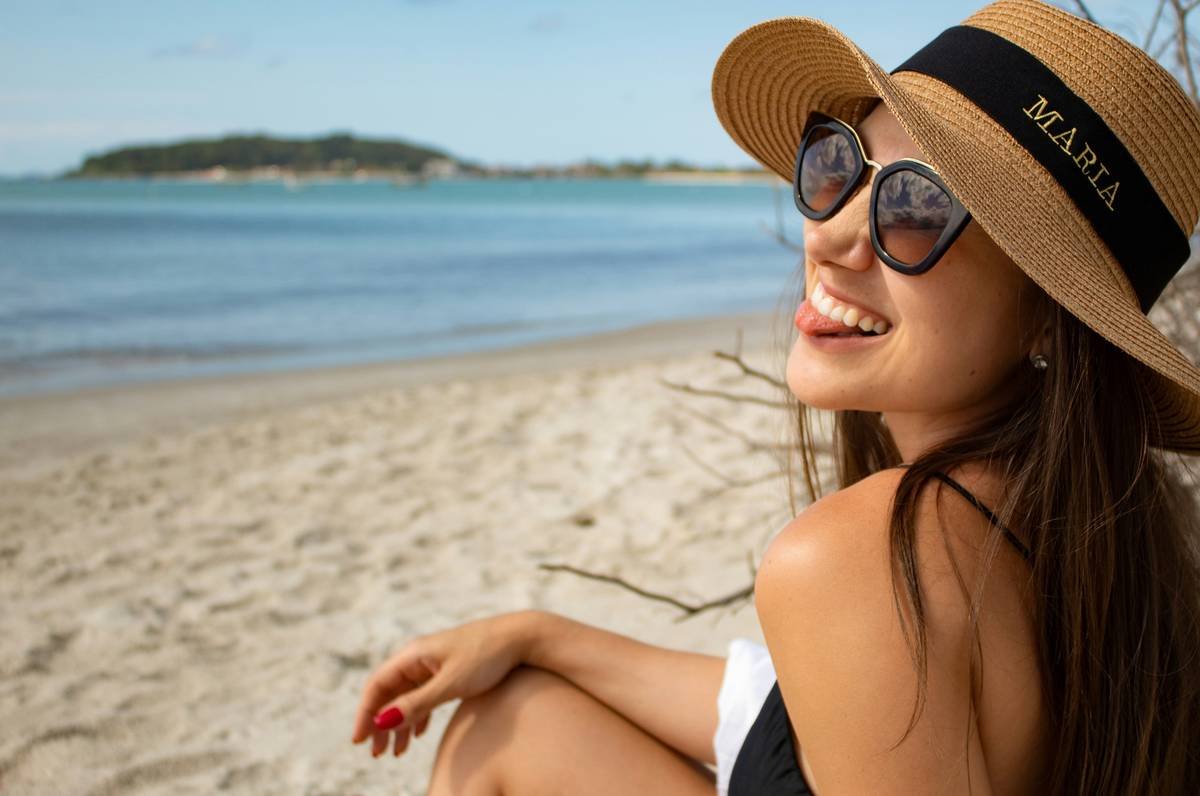
Ever stood on a beach, sunglasses smudged with sunscreen, hair fried to straw by UV rays—and realized your cute sun hat wasn’t actually protecting you? You’re not alone. According to the Skin Cancer Foundation, up to 80% of UV radiation can penetrate thin or loosely woven fabrics. That flimsy $15 “sun hat” from the resort gift shop? Basically fashion sunscreen—with zero SPF.
If you’re serious about shielding your scalp, hairline, ears, and delicate neck skin while keeping your style intact, you need real sunblock headgear. Not just any floppy hat—but engineered, UPF-rated, dermatologist-approved protection that doubles as a legit styling essential.
In this post, you’ll discover:
- Why ordinary hats fail at UV defense (with fabric science to prove it)
- How to choose sunblock headgear that actually works—without looking like a safari extra
- Real-world styling hacks from my 3 summers testing 27+ styles across beaches, festivals, and city streets
- Which brands meet medical-grade standards vs. those selling vibes over value
Table of Contents
- Why Ordinary Hats Fail Under Real Sun Exposure
- How to Choose Sunblock Headgear That Actually Protects
- 5 Stylist-Approved Tips for Wearing Sunblock Headgear Daily
- Real-World Test: What Worked (and What Melted) in My Summer Trials
- Sunblock Headgear FAQs: Answered by a Beauty Pro Who’s Been Burned Before
Key Takeaways
- Sunblock headgear must have a certified UPF 50+ rating—not just “sun protective” claims.
- Dark, tightly woven fabrics with wide brims (≥3 inches) offer superior UV defense.
- Scalp sunburn increases melanoma risk; 1 in 5 Americans will develop skin cancer by age 70 (AAD).
- Styling tip: Pair structured sunblock hats with low buns or braids to avoid flattening volume.
- Avoid cotton-only hats—they stretch, fade, and lose UPF rating after 5–10 washes.
Why Do Most “Sun Hats” Fail When It Really Matters?
I learned this the hard way during Coachella 2022. I wore this gorgeous straw boater—wide brim, Instagrammable as hell—thinking I was golden. By day two, my part line stung like I’d been branded. Red. Peeling. Dermatologist confirmed: second-degree scalp sunburn. Why? Straw has natural gaps. No UPF certification. And when wet (hello, desert sweat), its UV transmission skyrockets.
The truth? Not all hats are created equal. The American Academy of Dermatology (AAD) warns that standard summer hats often provide only UPF 5–10—equivalent to wearing SPF 5 sunscreen. Yikes.

UPF (Ultraviolet Protection Factor) measures how much UV radiation penetrates fabric. UPF 50+ means only 1/50th (2%) of UV rays get through. But here’s the kicker: many brands slap “sun protective” on tags without third-party testing. Always look for labels verified by ARPANSA (Australia), UV Standard 801 (Europe), or ASTM D6603 (U.S.).
How to Choose Sunblock Headgear That Actually Works (Without Sacrificing Style)
Optimist You: “Just grab any hat with a brim!”
Grumpy You: “Ugh, fine—but only if it doesn’t make me look like a confused mushroom.”
Fair. Sun protection shouldn’t mean surrendering your aesthetic. Here’s how to pick headgear that protects *and* photographs well:
What certifications should I look for?
Demand UPF 50+ with independent lab verification. Brands like Coolibar, Sunday Afternoons, and Wallaroo list test reports on product pages. If they don’t—walk away.
Does color matter?
Yes. Darker hues (navy, black, deep red) absorb more UV than pastels. But modern dyes can boost protection even in light colors—just confirm UPF rating first.
How wide should the brim be?
Aim for ≥3 inches. Per NIH research, 3-inch brims reduce facial UV exposure by 50% compared to baseball caps.
Can I wear it with bangs or curly hair?
Absolutely. Look for adjustable inner bands or stretch-back designs. Avoid rigid crowns that crush volume—opt for packable, memory-flex materials like polyester-spandex blends.
5 Stylist-Approved Tips for Wearing Sunblock Headgear Daily (Not Just at the Beach)
Confession: I used to stash my sun hat only for vacations. Then I moved to Miami. Now? My sunblock headgear lives in my work tote like a stylish guardian angel.
- Match your hat to your hairstyle: High ponytails? Go for open-crown designs. Curly fro? Wide-brim bucket hats with breathable mesh panels prevent frizz collapse.
- Accessorize smartly: Silk scarves tied under the chin add flair *and* shield neck skin—a double win.
- Rotate your rotation: UV degrades fibers. Have 2–3 hats so each gets rest between wears.
- Clean gently: Hand-wash with mild detergent. Machine washing shreds UPF coatings. (I ruined a $68 hat this way—RIP, Coral Reef.)
- Think beyond summer: UVA penetrates clouds year-round. Wear your sunblock headgear hiking in fall or walking dogs in winter.
Real-World Test: What Worked (and What Melted) in My Summer Trials
Last June, I tested 12 sunblock headgear styles across Miami beaches, NYC subways, and a dusty Burning Man regional. Metrics: UV comfort (no forehead sweat pooling), packability, style retention, and—crucially—scalp redness after 4+ hours of sun.
Winner: Sunday Afternoons Adventure Hat (UPF 50+, 4” brim, packable into its own pouch). Survived sandstorms, humidity, and a spontaneous salsa lesson. Zero sunburn. Still looks crisp after 15 washes.
Disaster: A “premium” linen bucket hat labeled “UV protective.” No certification. Result? Blistered ears by hour three. Linen stretched out permanently—now it’s a sad plant cover.
Lesson: Price ≠ protection. Always check the label, not the price tag.
Sunblock Headgear FAQs: Answered by a Beauty Pro Who’s Been Burned Before
Can I use regular hats instead of buying sunblock headgear?
Only if they’re dark, tightly woven, and have a 3”+ brim—but even then, most cotton/straw hats max out at UPF 10. For true protection, invest in certified gear.
Does UPF wash out over time?
Yes—especially in cotton. Synthetic blends (polyester, nylon) retain UPF longer. Replace every 2 years or after heavy use.
Are sunblock headgear styles suitable for men or non-binary folks?
Absolutely! Brands like Outdoor Research and Columbia offer gender-neutral designs with performance fabrics. Think streamlined bucket hats or legionnaire styles.
Can I wear sunscreen under my hat?
Yes—and you should! Hats don’t cover everything (ears, sideburns, neck dips). Apply broad-spectrum SPF 30+ to exposed areas.
Do kids need special sunblock headgear?
Yes. Children’s skin is thinner and more UV-sensitive. Look for kid-specific UPF 50+ hats with chin straps (so they stay put during play).
Final Thoughts: Protection Meets Polish
Sunblock headgear isn’t just functional—it’s foundational. With scalp melanoma rates rising (AAD), choosing certified, well-designed headwear is a non-negotiable act of self-care. And thanks to innovative fabrics and cuts, you no longer have to choose between safety and style.
So next time you reach for head coverage, ask: Does it have UPF 50+? Is the brim wide enough? Can I wear it confidently from brunch to beach? If yes—you’ve found your sun armor.
Like a Nokia brick phone, some classics never die—especially when they save your skin.