You slather on SPF 50, wear polarized sunglasses, and still end up with a red, tender scalp by sunset. Why? Because most “sun hats” sold online offer zero meaningful UV protection. Fabric color, weave density, and UPF ratings matter far more than floppy brims or Instagram aesthetics. The real solution isn’t just a hat—it’s a UV safe hat engineered for actual solar defense.
Why Most Sun Hats Fail at Real UV Protection
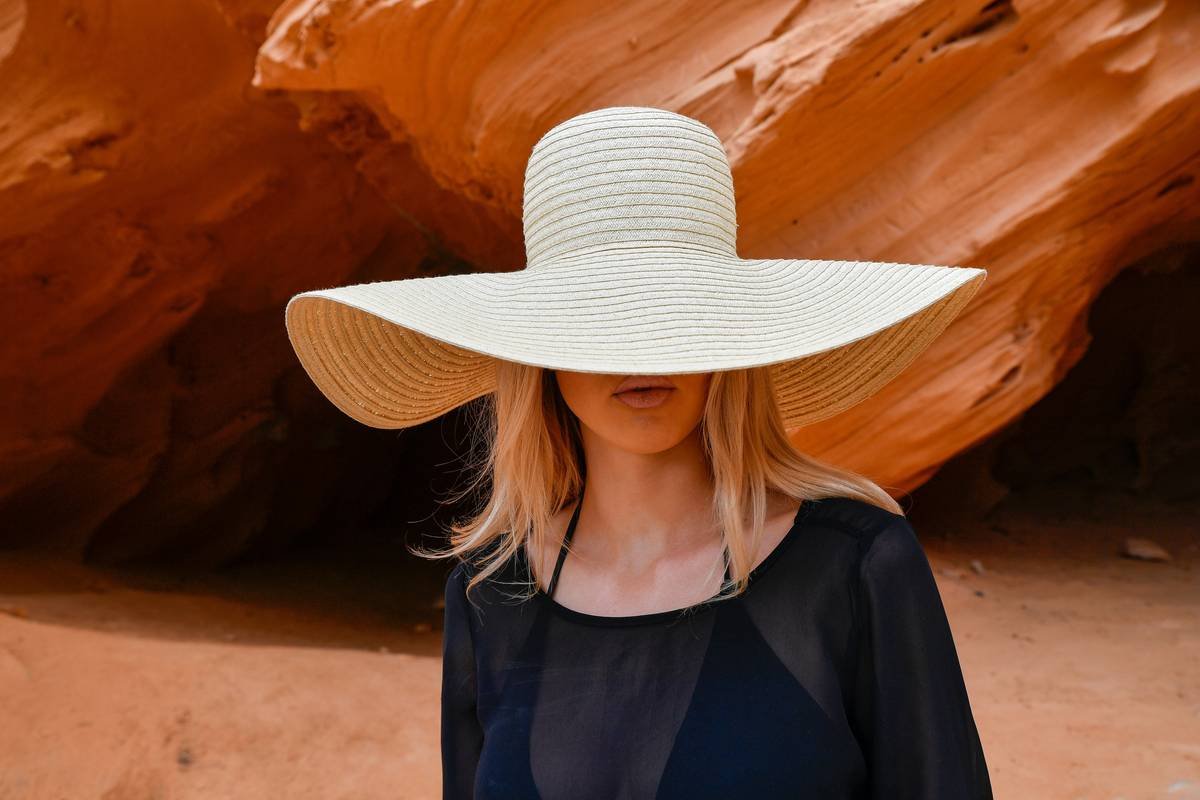
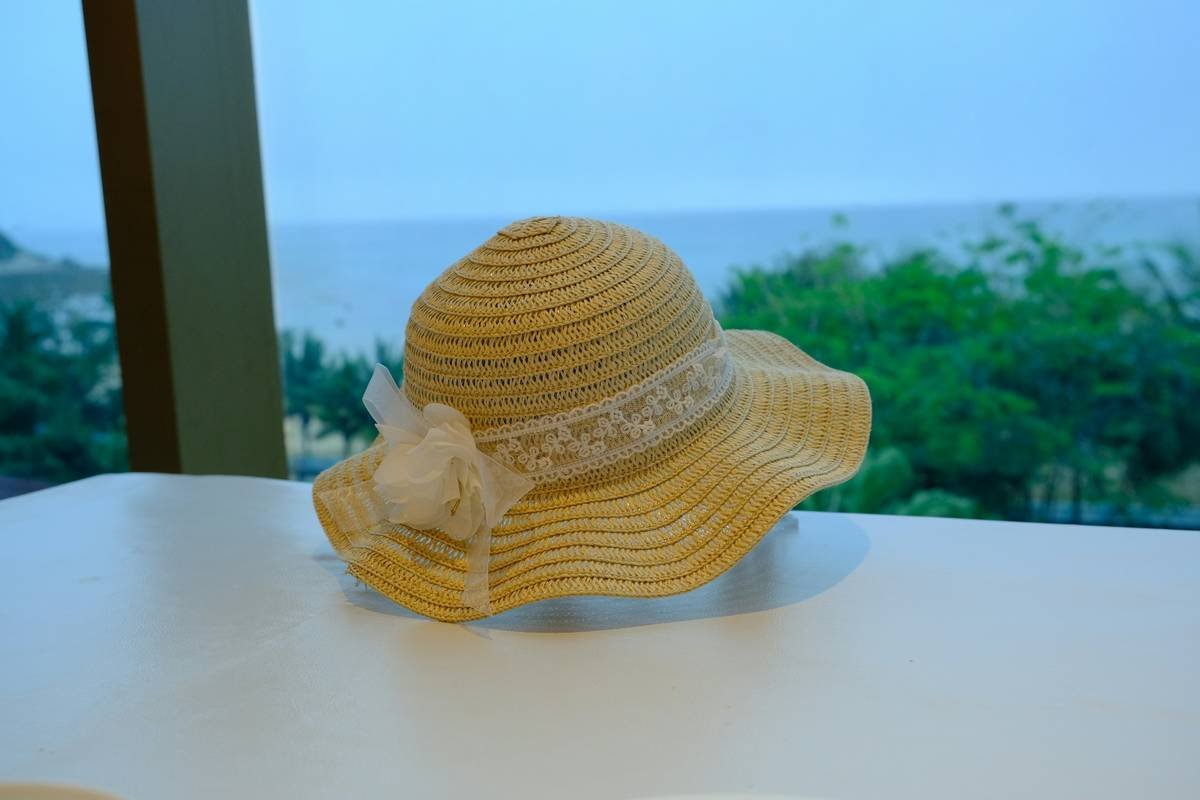
That cute straw bucket you bought from the resort boutique? It might block glare—but not UVA rays. Many hats labeled “sun protective” rely on visual cues like wide brims while ignoring fabric science. A loose weave = gaps for UV penetration. Light colors reflect less radiation than tightly woven, dark fabrics. And wetness? It drops protection levels by up to 50% in untreated cotton.
Here’s the reality: without a certified UPF (Ultraviolet Protection Factor) rating of 30+, your hat is fashion—not function.
How to Choose and Use a UV Safe Hat That Actually Works
Forget guesswork. Build your sun defense around three non-negotiables: certified UPF, full coverage, and moisture resilience.
Check the UPF Label—Not the Brand Hype
UPF 50+ blocks 98% of UV rays. Anything below UPF 30 is borderline useless. Don’t trust vague terms like “UV blocking”—demand lab-tested certification. Australian and European standards (AS/NZS 4399, EN 13758) are stricter than most U.S. claims.
Brim Width Isn’t Enough—Think 360° Coverage
A 3-inch brim shields your face but leaves ears and neck exposed. Opt for styles with extended rear flaps or legionnaire-style neck drapes. Baseball caps? Skip them—they protect forehead only.
Fabric Matters More Than You Think
Polyester and nylon with tight weaves outperform cotton and linen—even when damp. Some brands embed titanium dioxide or zinc oxide into fibers for passive, wash-resistant protection. That’s the gold standard.
| Hat Type | Typical UPF Rating | Neck/Ears Covered? | Wet Performance | Best For |
|---|---|---|---|---|
| Straw Bucket (Unlined) | UPF 5–10 | No | Poor (drops to near zero) | Shade-only lounging |
| Cotton Baseball Cap | UPF 3–7 | No | Very poor | Zero UV defense |
| UPF 50+ Wide-Brim Polyester | UPF 50+ | Partial | Excellent (stable when wet) | Beach, hiking, daily wear |
| UV Safe Hat with Neck Flap | UPF 50+ | Yes | Excellent | High-exposure activities (boating, desert travel) |
The Industry Secret: Not All UPF Is Created Equal
Here’s what brands won’t tell you: some UPF ratings rely on chemical coatings that wash out after 10–15 cycles. Others use inherently protective fibers—like solution-dyed polyester—that retain UPF for the hat’s entire lifespan. At cappellatolaurent.com, we test every batch under simulated sweat and saltwater exposure. Because real-world conditions destroy fake protection fast. And if a brand doesn’t publish wash durability data? Walk away.
The math is simple: pay more once for permanent defense—or keep buying “sun hats” that fail you every summer.
FAQ
What makes a hat truly UV safe?
A certified UPF 30+ rating from independent labs, tight-weave synthetic fabric, and design that covers ears/neck. Style is secondary to science.
Can I wash a UV safe hat without losing protection?
Yes—if it uses fiber-based UV blockers (not surface coatings). Check care labels for “permanent UPF” claims and avoid bleach or fabric softeners.
Is a black UV safe hat hotter to wear?
Slightly—but modern moisture-wicking linings and vented crowns offset heat gain. The trade-off for 98% UV blockage is worth it.