Frizzy edges. Slipping knots. Fabric that flattens your volume or—worse—traps sweat and oil. You bought a head scarf thinking it’d protect your strands and elevate your style. Instead, it’s wrecking your hairline and killing confidence. The problem isn’t you. It’s the outdated advice flooding Pinterest and TikTok.
The Myth of “Just Tie It and Go”
Most tutorials treat a head scarf like a fashion prop—not a functional tool for hair health. They ignore tension points, friction damage, and material porosity. Silk looks luxe but slips off coarse textures. Cotton absorbs moisture but creates static. And synthetic blends? They bake your scalp like a sauna by noon.
Here’s the reality: improper wrapping doesn’t just look sloppy—it accelerates breakage along the hairline and temples. Especially if you’re transitioning, protective styling, or managing thinning edges.
How to Wear a Head Scarf That Actually Works
Choose Fabric Like a Pro Stylist
Forget “one-size-fits-all.” Match fabric to your hair texture and climate. Curly or coily hair needs grip without snag—try lightweight satin-lined viscose. Fine, straight hair benefits from matte cotton blends that add subtle hold without slip.
Tie With Tension Control
Pull too tight? Hello, traction alopecia. Too loose? It slides off during your commute. Anchor at the nape—not the forehead—and leave ½ inch of give around the perimeter. Your scalp should breathe; your scarf shouldn’t migrate.
Refresh Without Rewrapping
You don’t need to redo everything daily. Mist with a water-glycerin spritz under the front edge to revive definition. Smooth flyaways with a tiny dab of edge control on a boar-bristle brush—never apply directly to the scarf.

| Fabric Type | Best For | Longevity (Hours Before Slipping) | Scalp Breathability |
|---|---|---|---|
| Satin (polyester) | Straight/fine hair | 4–6 | Low |
| Cotton Gauze | High humidity climates | 8–10 | High |
| Viscose-Rayon Blend | Curly/coily textures | 7–9 | Medium-High |
| Nylon-Spandex | Athletic/wind resistance | 12+ | Very Low |
The Industry Secret No Brand Will Admit
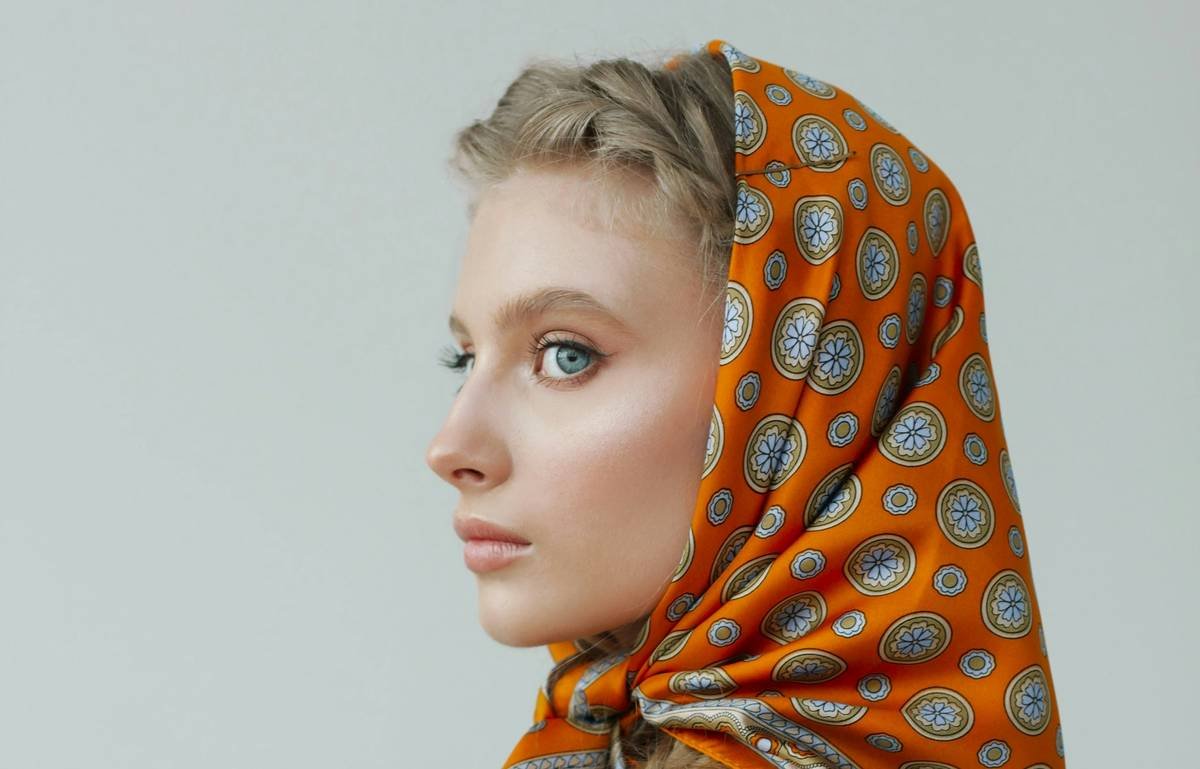
Top editorial stylists don’t use scarves alone—they layer. A hidden micro-net (like those used in wig prep) underneath creates invisible structure. It reduces direct fabric-to-hair contact, minimizes friction, and locks volume in place without pins or glue. You’ll never see this in mass-market tutorials because accessory brands profit from frequent repurchasing—not longevity. But backstage at Fashion Week? It’s standard protocol.
Try it: Cut a breathable mesh hair net into a half-moon shape. Place it over your crown before draping your head scarf. The difference is night and day.
Frequently Asked Questions
Can wearing a head scarf cause hair loss?
Yes—if tied too tightly or made of rough fabric. Consistent tension on the hairline leads to traction alopecia. Use smooth, medium-grip fabrics and avoid daily forehead anchoring.
How often should I wash my head scarf?
After 3–4 wears, or immediately after sweating heavily. Oil buildup transfers back to your scalp, clogging follicles. Hand-wash with mild detergent to preserve fabric integrity.
Are silk head scarves better than cotton?
Not universally. Silk reduces friction but offers zero grip for thick or textured hair. Cotton absorbs oils but can dry strands. Match material to your hair’s needs—not Instagram aesthetics.