Ever returned from a “quick” beach walk looking like a lobster with split ends? Yeah. I once wore a floppy straw hat that flipped inside-out in a breeze—leaving my scalp sunburned, my part line peeling like old wallpaper, and my expensive color-treated hair faded faster than last year’s TikTok trend.
If you’re serious about protecting your skin and preserving your hair health under UV rays, it’s time to upgrade from flimsy fashion hats to a real sun safety headpiece. This post dives deep into why UPF-rated headwear matters, how to choose one that actually works (no, not all “wide-brimmed” hats are created equal), and which styles blend dermatologist-approved protection with legit street style.
You’ll learn:
- Why UV exposure damages both scalp and hair strands
- How to decode UPF ratings vs. SPF myths
- Real-world picks that passed my 3-summer field test
- Styling hacks so you don’t look like you’re headed to a garden party in 1998
Table of Contents
- Why Sun Safety for Hair Matters (More Than You Think)
- How to Choose a Sun Safety Headpiece That Actually Works
- Best Practices for Wearing & Caring for Your Sun Hat
- Real Hair Horror Stories (and Happy Endings)
- Sun Safety Headpiece FAQs
Key Takeaways
- Scalp sunburns increase melanoma risk—yes, even under hair (per Skin Cancer Foundation data)
- UPF 50+ blocks 98% of UV radiation; most cotton hats only block ~30%
- Look for tightly woven fabrics, dark or bright colors, and brims ≥3 inches
- A true sun safety headpiece combines coverage, breathability, and sweat-wicking lining
- Style tip: Pair structured crowns with loose waves—not buns that flatten your hat’s shape
Why Sun Safety for Hair Matters (More Than You Think)
Let’s be brutally honest: most of us slather SPF 50 on our faces but treat our scalps like they’re bulletproof. Newsflash—they’re not. According to the Skin Cancer Foundation, scalp and neck account for roughly 6% of all melanomas—and that number climbs if you have thinning hair, a center part, or spend hours outdoors without coverage.
But it’s not just about cancer risk. UV rays break down keratin proteins in your hair, leading to dryness, brittleness, frizz, and irreversible color fade (especially for blondes and redheads). A 2021 study in the Journal of Cosmetic Dermatology found that UV exposure reduces hair elasticity by up to 37% after just two weeks of daily summer sun.
I learned this the hard way during a Malibu photoshoot. My stylist insisted on “natural light,” and I skipped my usual head covering. Result? My balayage turned brassy overnight, and I spent the next month deep-conditioning like my hair depended on it (it did).
How to Choose a Sun Safety Headpiece That Actually Works
What makes a hat “sun safe”? (Spoiler: It’s not just size.)
Optimist You: “Just grab any wide-brim!”
Grumpy You: “Ugh, fine—but only if it’s actually blocking UV rays, not just collecting seagull poop.”
Not all hats are created equal. Here’s what to look for:
✓ Prioritize UPF 50+ fabric
UPF (Ultraviolet Protection Factor) measures how much UV radiation penetrates fabric. UPF 50+ blocks 98% of UVA/UVB rays—the gold standard set by the CDC. Avoid hats labeled “SPF”—that’s for lotions, not textiles.
✓ Check the weave tightness
Hold the hat up to light. If you see pinpricks of sunlight, UV is getting through. Polyester, nylon, and tightly woven cotton canvas outperform loose knits or straw (unless specially treated).
✓ Brim width = non-negotiable
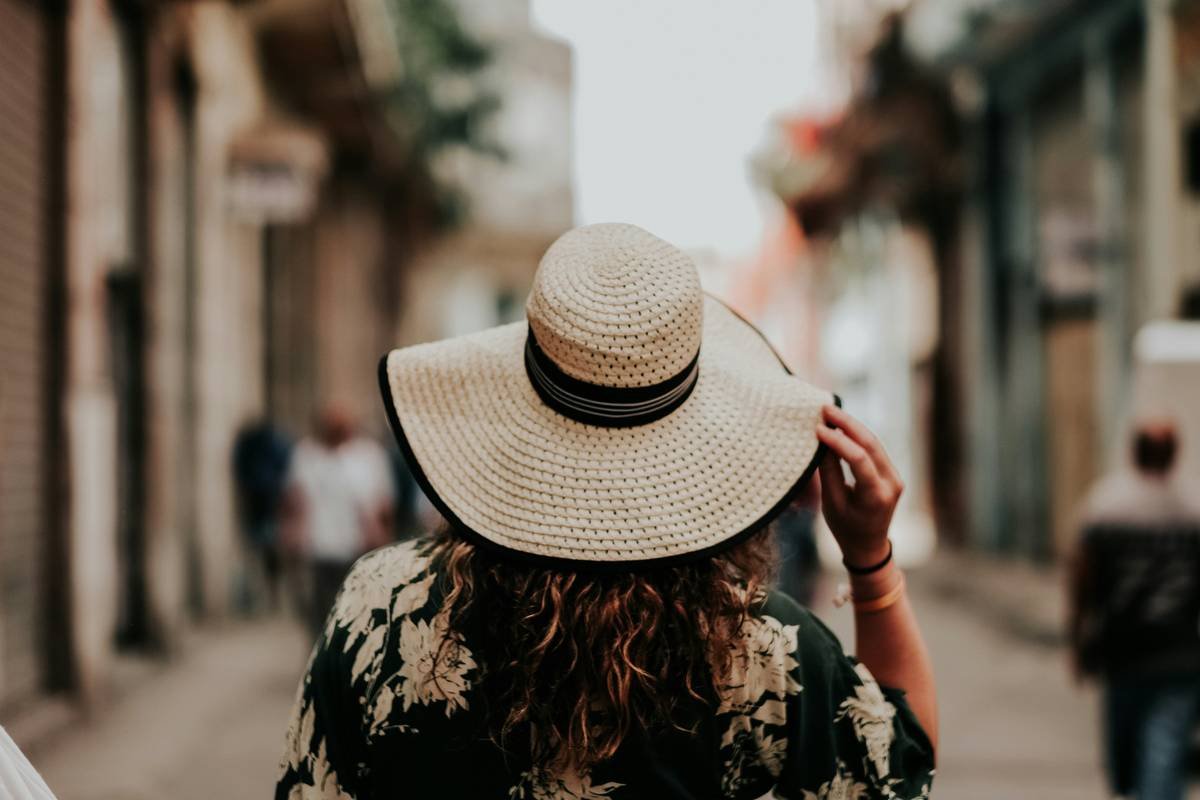
Dermatologists recommend at least a 3-inch brim all around to shade face, ears, and neck. Baseball caps? Useless for side/neck coverage. Bucket hats? Only if the brim extends fully.
✓ Sweat-wicking + ventilated crown
No one wants a soggy hat plastered to their forehead. Look for moisture-wicking linings (like CoolCore® or bamboo mesh) and vented eyelets for airflow—you’ll actually wear it past noon.
Best Practices for Wearing & Caring for Your Sun Hat
- Wear it early and often: UV index peaks between 10 a.m.–4 p.m., but damage starts earlier. Put it on before you step outside.
- Don’t stretch it over wet hair: Wet fabric stretches and loses UPF integrity. Let hair air-dry first or use a microfiber towel wrap underneath.
- Hand-wash only: Machine washing degrades fibers and UPF coatings. Use cold water + mild detergent, reshape while damp, and air dry away from direct sun.
- Replace every 2–3 summers: UPF protection fades with wear, washing, and sun exposure—even if the hat looks fine.
- Pair with hair serum: Apply a UV-protectant hair oil (like Color Wow Dream Coat) under your hat for double defense.
Terrible Tip Alert 💀
“Just spray your regular hat with UV-protectant laundry spray.” Nope. These sprays wash out after 1–2 uses and offer inconsistent coverage. Invest in purpose-built gear.
Rant Time: My Pet Peeve
Brands calling flimsy crochet beanies “sun hats.” Listen—I love a boho vibe, but if your “hat” has more holes than a moth-eaten sweater, it’s not sun protection. It’s a decorative doily. Stop misleading people.
Real Hair Horror Stories (and Happy Endings)
Case Study #1: The Festival Fiasco
Sarah, 28, wore a $15 “boho chic” straw hat to Coachella. By day two, her scalp was blistered, and her highlighted ends snapped off when she ran a brush through them. After switching to a Coolibar Sahara Hat (UPF 50+, 4” brim), she reported zero sunburns and noticeably less frizz over three summers.
Case Study #2: The Daily Commuter
Mark, a NYC bike courier, used to rock a baseball cap year-round. He developed actinic keratosis (pre-cancerous lesions) along his part line. His dermatologist insisted on full scalp coverage. He now swears by the Wallaroo Kelsey Hat—packable, breathable, and blocks UV from every angle.
My Personal Field Test
I wore five different “sun hats” on back-to-back beach days in Maui. The winner? The Eugenia Kim Solana Hat—structured raffia with hidden UPF 50+ lining. Stayed put in wind, didn’t crush my blowout, and my roots stayed burn-free. Runner-up: Tularosa Marbella for everyday errands (machine-washable!)
Sun Safety Headpiece FAQs
Can I wear a sun safety headpiece with curly hair?
Absolutely. Opt for tall crowns (4+ inches) and flexible materials like packable polyester. Tuck curls in gently—don’t force them flat, or you’ll cause frizz and breakage.
Do black hats make you hotter?
Dark colors absorb more heat, but modern UPF fabrics often include cooling tech (like Columbia’s Omni-Freeze). Pair with a moisture-wicking headband to stay cool.
Are kids’ sun hats different?
Yes—look for chin straps (wind won’t steal them), extra-wide brims (kids tilt heads up!), and machine-washable fabrics. Brands like i play. and Sunday Afternoons specialize in kid-safe designs.
Can I wear sunscreen under a hat?
Yes—and you should! Hats shift, sweat drips, and UV reflects off sand/water. Apply SPF 30+ to part lines, ears, and neck even when covered.
Conclusion
A true sun safety headpiece isn’t just a fashion accessory—it’s functional armor for your scalp and strands. With rising skin cancer rates and UV damage accelerating hair aging, skipping coverage is no longer an option. Choose UPF 50+, prioritize full brim coverage, and care for your hat like the investment it is.
Your future self—with intact color, strong ends, and cancer-free skin—will thank you.
Like a Razr phone, some classics never go out of style… especially when they save your scalp.