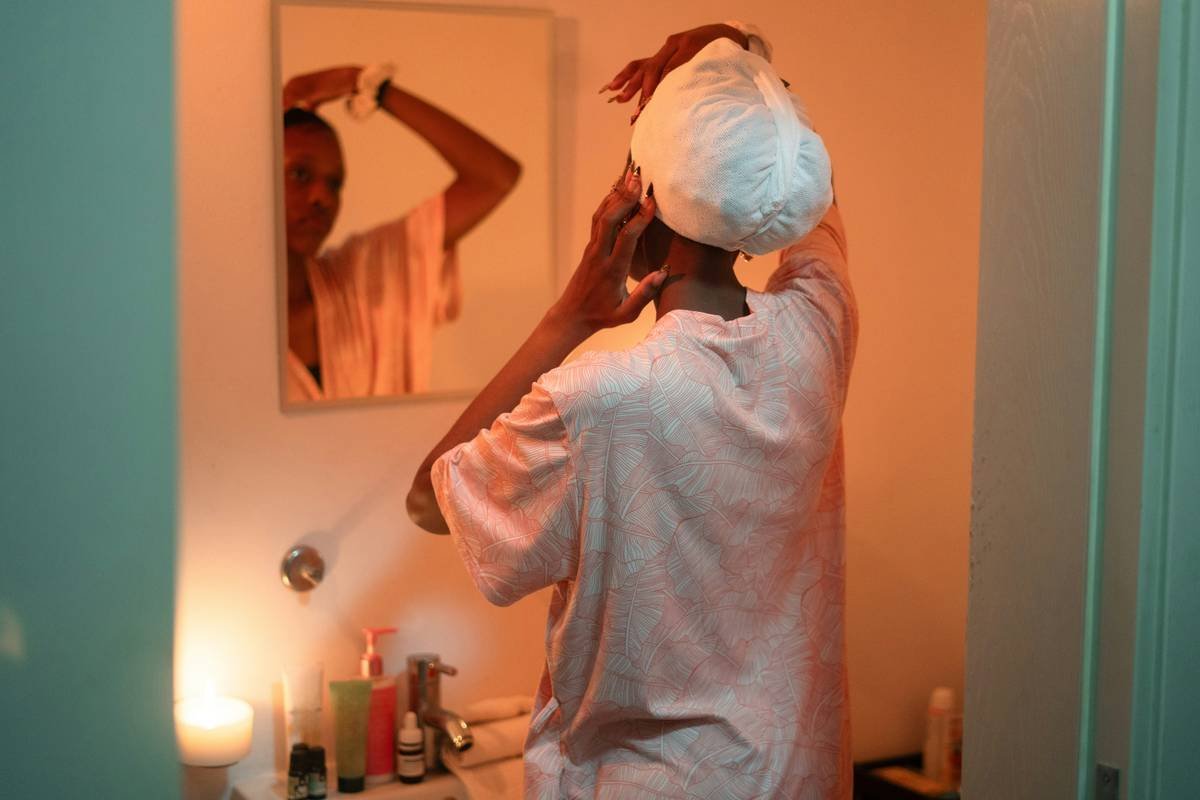
Frizz. Breakage. That annoying crease right where your hair wrap folds. You’re not imagining it—most “quick fixes” for overnight hair protection actually sabotage shine and structure. And if you’re tossing on a cheap satin scarf like it’s a magic shield, you’re wasting time. The real solution? Precision, fabric science, and knowing what salons won’t tell you.
The Illusion of Protection
Most people grab any old head covering and call it a “hair wrap.” Big mistake. Cotton scarves absorb moisture—yours. Silk? Often fake, slippery, and prone to slippage that tugs roots all night. The result? Split ends disguised as bedhead. Dryness masked as texture. Your strands aren’t resting—they’re under siege.
Think about it: hair needs consistent microclimate control. Not friction. Not compression. And definitely not polyester masquerading as luxury.
Mastering the Modern Hair Wrap
Fabric Matters More Than Fit
Satin isn’t silk. And most “satin” wraps are polyester blends that generate static—killing curl definition and encouraging frizz. True mulberry silk (grade 6A or higher) reduces friction by up to 47% compared to cotton. But price scares people off.
Tension Is the Silent Killer
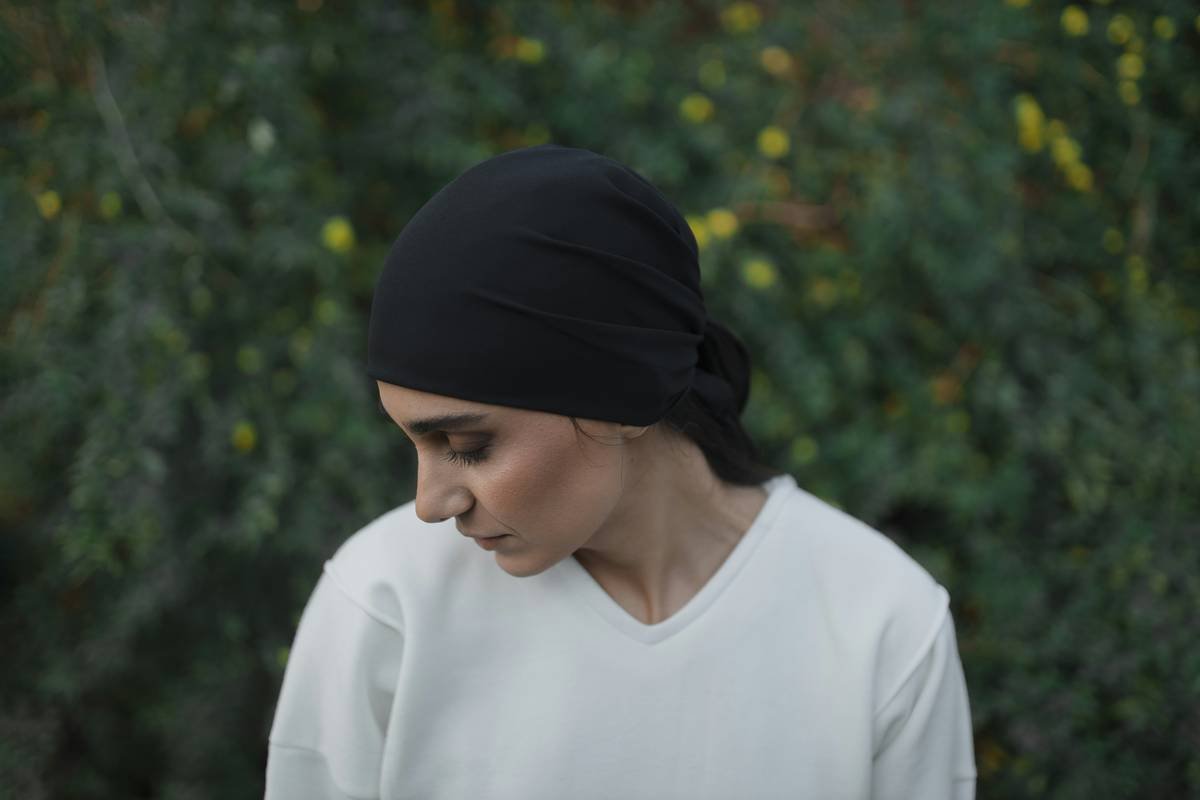
Pulling hair too tight under a wrap strains follicles along the hairline—hello, traction alopecia. Looser isn’t lazier; it’s strategic. Aim for zero tension at the crown and temples. Secure only enough to prevent unraveling.
Timing Changes Everything
Apply your hair wrap while hair is 80% dry—not dripping, not bone-dry. Wet hair swells; wrapping it fully saturated traps moisture that breeds mildew. Bone-dry hair lacks pliability, snapping under fold stress. The sweet spot? Damp, but not drooping.
| Wrap Material | Frication Coefficient* | Nightly Cost (Est.) | Lifespan |
|---|---|---|---|
| Cotton Scarf | 0.62 | $0.02 | 3–6 months |
| Polyester “Satin” | 0.48 | $0.05 | 4–8 months |
| Grade 6A Mulberry Silk | 0.21 | $0.18 | 2+ years |
*Lower = less friction = less breakage. Data sourced from cosmetic textile labs, 2023.
The Salon Secret They Don’t Sell
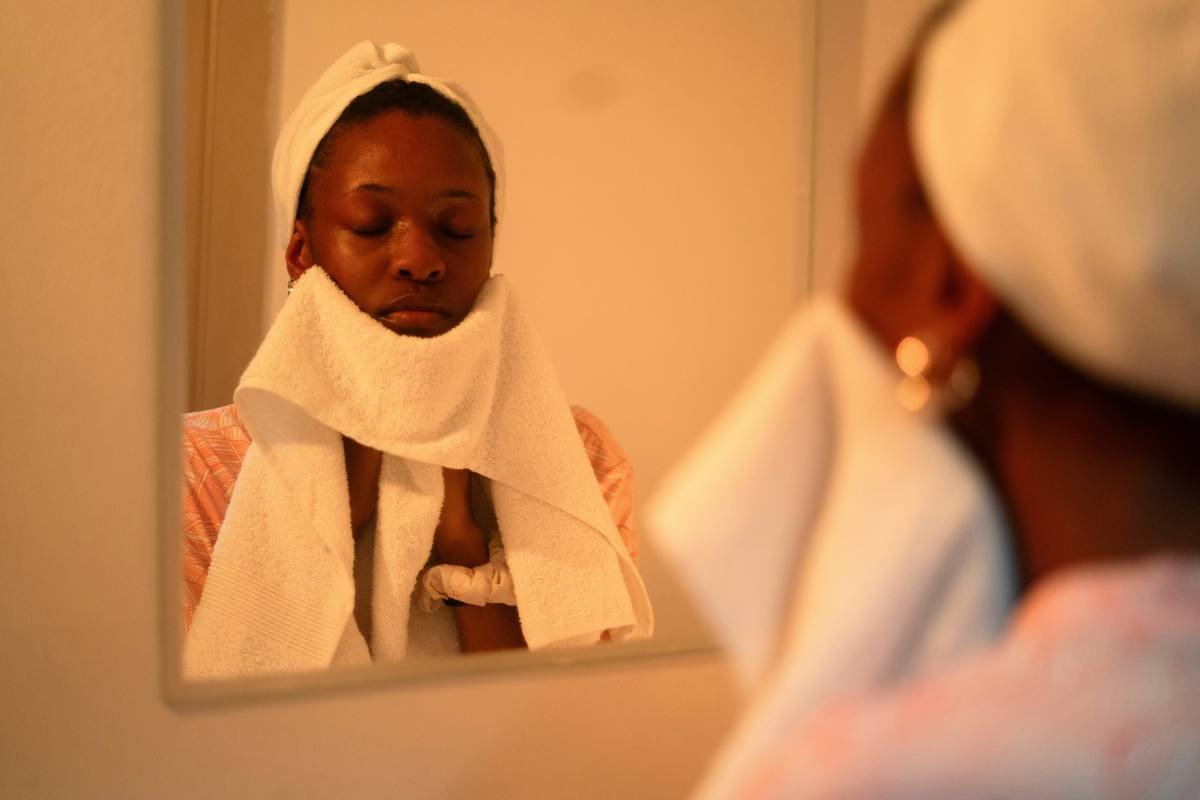
Top-tier stylists don’t just recommend hair wraps—they layer them. Here’s the industry secret: apply a lightweight leave-in conditioner first, then loosely twist sections before wrapping. This creates internal hydration pockets that silk preserves overnight. Skip this, and even the finest hair wrap becomes decorative, not functional. The math is simple: product + precision > passive coverage.
And yes—it works on coily, fine, thick, and color-treated hair. The method adapts; the principle holds.
Frequently Asked Questions
Can I use a hair wrap every night?
Yes—if it’s silk and applied with zero tension. Daily use prevents split ends and preserves styles longer than air-drying alone.
Does a hair wrap help with hair growth?
Indirectly. By reducing breakage and friction, it minimizes shedding caused by mechanical stress—keeping existing length intact.
Are silk hair wraps worth the cost?
At $25–$45, they last years. Compare that to monthly trims from damage—and yes, they pay for themselves in retained length and shine.